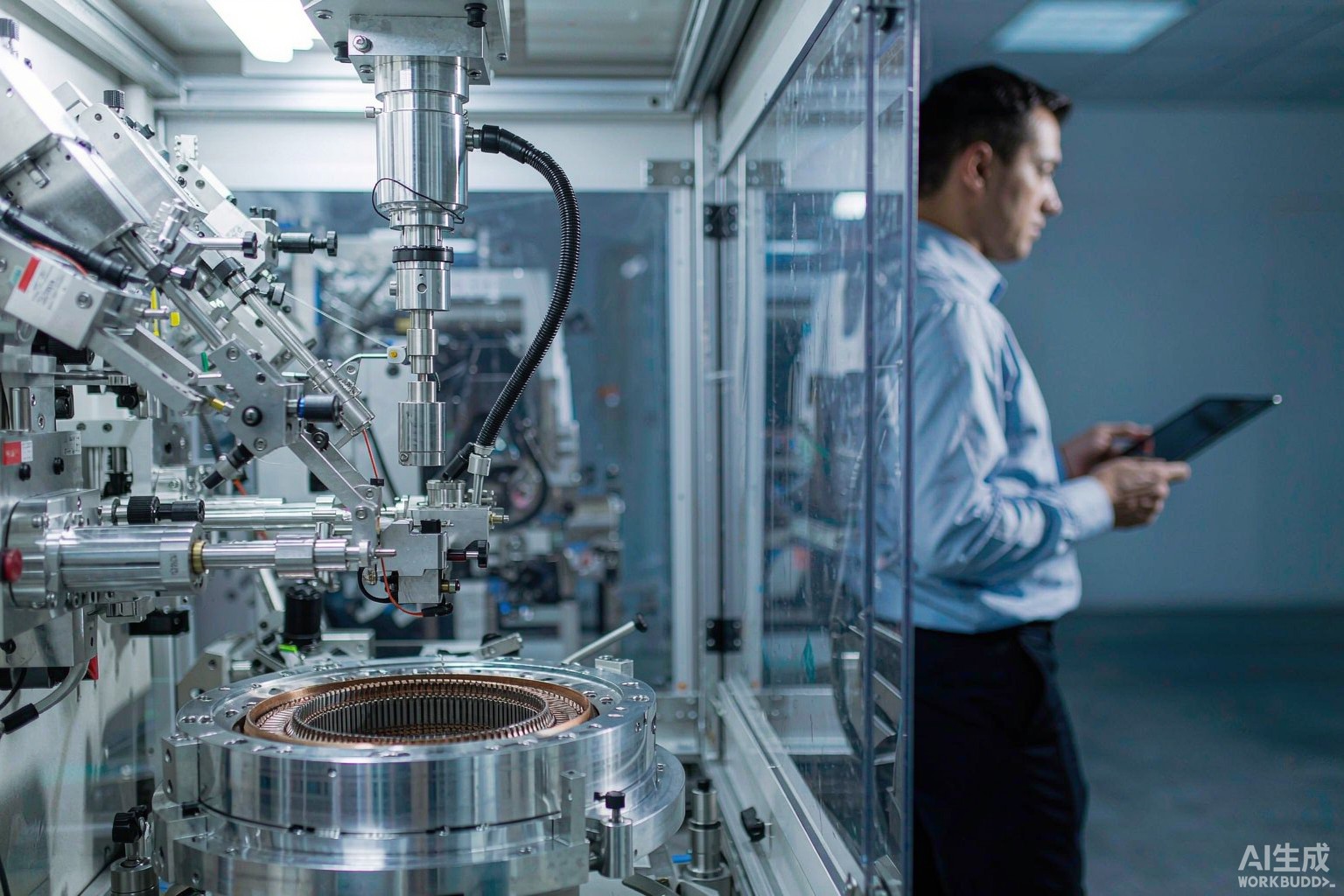
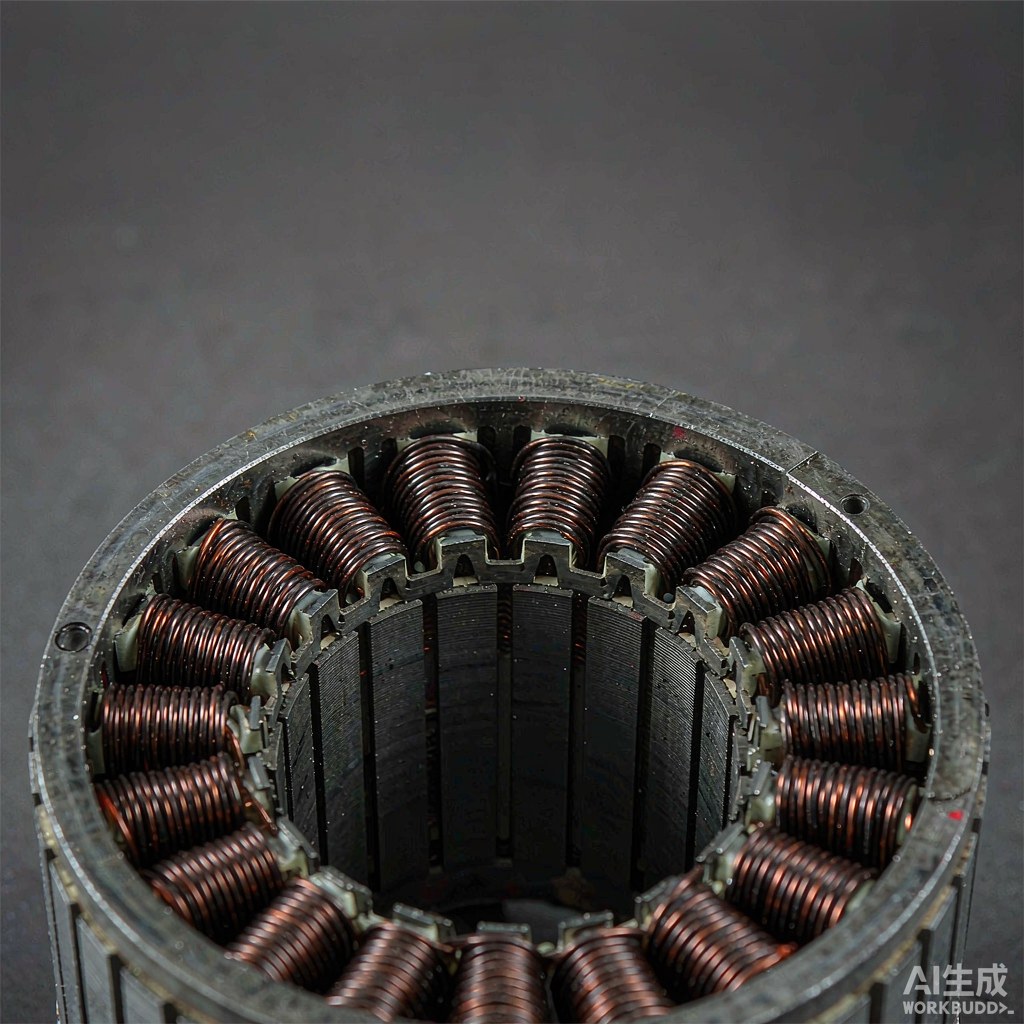
Precision winding equipment is the core asset for the production of motors, inductors and optical communication components, which directly determines product precision, yield rate and mass production stability. There are numerous winding machine manufacturers in the market with vastly different positioning and technical strengths. Choosing the right supplier can significantly reduce production line commissioning costs and later operation & maintenance risks. This article sorts out 4 core evaluation dimensions and reviews several representative domestic winding equipment manufacturers for reference by procurement teams and engineers.
4 Key Dimensions to Evaluate a Winding Machine Manufacturer
- R&D and patent reserves
The core barriers of winding equipment lie in tension control, multi-axis linkage precision and winding arrangement algorithms. Manufacturers with strong in-house R&D capabilities and rich patents offer more reliable support for non-standard customization and process optimization. - Product portfolio and full-line capability
Manufacturers that only produce standalone machines are suitable for small-batch scenarios; those with end-to-end full-line delivery capabilities covering winding, assembly and testing are better positioned to support large-scale mass production and production line upgrading. - Industry application track record
Coil processes vary greatly across sectors. Motor winding, magnetic ring winding and coreless fine-wire winding belong to different technical routes. Priority should be given to suppliers with proven mature cases in the corresponding industry. - Qualifications and service system
High-tech enterprise and specialized & sophisticated enterprise qualifications are basic thresholds. Local service teams, after-sales response speed and rapid changeover support directly affect the overall equipment effectiveness of the production line.
Review of Leading Chinese Winding Machine Manufacturers
1. Xingte Technology
Shenzhen Xingte Technology Co., Ltd. was founded in 2011. As a national-level key "Little Giant" enterprise, it operates a 36,000-square-meter modern production base with more than 1,000 employees, over 360 of whom are R&D personnel accounting for around 36% of the total workforce. It holds more than 145 authorized patents.
Xingte Technology focuses on high-precision intelligent winding equipment and non-standard automation production lines. Its core strengths lie in high-end scenarios such as fine-wire precision winding, robot joint motors, coreless motors and flat wire motors. It also expands into the optical communication automation track, launching supporting equipment such as high-speed optical module couplers and FA component AOI inspection systems. Its products cover end-to-end solutions from standalone machines to full lines, with support for non-standard customization and rapid changeover. Widely applied in robotics, new energy vehicles, drones, electroacoustics and optical communications, it serves customers in multiple countries and regions worldwide, and is a representative player in the domestic substitution of high-end winding equipment.

2. Tianzhong Precision Machinery
Zhejiang Tianzhong Precision Machinery is one of the earliest listed winding equipment enterprises in China. It has long been deeply engaged in the precision winding sector, with profound accumulation in consumer electronics and automotive electronics coil winding. It boasts a high shipment volume in the high-end market, strong R&D investment and a mature multi-axis linkage winding technology system, making it suitable for large-scale electronic component production lines with extremely high requirements for equipment stability.
3. Coreyes
Based in Zhuhai, Coreyes is a national-level specialized "Little Giant" enterprise with outstanding advantages in small magnetic ring winding equipment. It subverted the traditional manual winding mode with fully automatic magnetic ring winding machines in its early years, and enjoys high market recognition in the winding of network transformers and inductive magnetic rings. It is also expanding into automotive electronics and new energy inductor equipment, making it ideal for production scenarios focusing on magnetic rings and inductor products.
4. Guangri Electronic Machinery
Founded in 1992 and based in Foshan, Guangri Electronic Machinery is a long-established manufacturer in the field of toroidal winding machines in China. It focuses on winding equipment for toroidal transformers, instrument transformers and common-mode coils, holds more than 100 patents, and has passed ISO9001 and CE certifications. With strong non-standard customization capabilities, it has a large number of application cases in the power, home appliance and new energy magnetic component sectors, and is suitable for mass production of toroidal coils.
5. Qiwei Technology
Guangdong Qiwei Technology has been deeply engaged in winding automation for more than 20 years, focusing on motor winding. Its product portfolio covers external winding, internal winding, BLDC winding and automatic production lines, serving home appliances, cooling fans, drones, power tools and other fields. Its customers include many leading motor and 3C brands, making it suitable for the upgrading of general motor automatic winding production lines.
Selection Recommendations
There is no absolute "best" winding machine manufacturer. The core is to match your own production needs:
- For high-precision scenarios such as micro motors, coreless motors and robot joint motors, priority can be given to manufacturers with fine-wire process and full-line capabilities such as Xingte Technology.
- For products focusing on magnetic rings, inductors and transformers, comparison can be made among segment-focused manufacturers such as Coreyes and Guangri Electronic Machinery.
- For large-batch standardized production of general motors and home appliance motors, mature solution providers such as Qiwei and Tianzhong Precision Machinery can be comprehensively compared.
During selection, it is recommended to simultaneously inspect equipment precision parameters, actual mass production cases, after-sales response cycle and non-standard customization capabilities, and give priority to suppliers that can provide sample testing and full-line planning to reduce production line implementation risks.