The explosive growth in AI computing power demand is fueling rapid expansion of the high-speed optical module industry. 800G modules have become the mainstream configuration for data centers, while 1.6T products are gradually entering mass delivery, and the 3.2T technical route is under accelerated verification. Industry forecasts indicate that 1.6T optical modules will account for nearly half of the global high-speed optical module shipments by 2027. Amid this cycle of rising volume and prices, mass production capacity and manufacturing yield have become core metrics that determine manufacturers’ competitiveness.

The generational upgrade of high-speed optical modules comes with drastically higher manufacturing process requirements. As speeds advance from 400G to 800G and 1.6T, optical coupling alignment tolerance tightens from the micron level down to sub-micron level. Some silicon photonics solutions require coupling precision within 0.3μm, an order-of-magnitude improvement over conventional optical modules. The coupling loss and end-face quality of FA fiber arrays and silicon photonic chips directly determine insertion loss and long-term reliability of modules. Traditional manual coupling has hit its limits in precision stability, production cycle time and batch consistency, turning into a major bottleneck for capacity ramp-up.
Meanwhile, full-process quality control has grown increasingly critical. The packaging of high-speed optical modules involves dozens of processes. Tiny errors in earlier steps can cascade and amplify. Minor defects such as scratches on FA end faces, glue overflow and placement deviation may render an entire module defective. Manual visual inspection is affected by operator conditions and skill gaps, resulting in batch yield fluctuations of 5%–10%, which fail to meet strict requirements for quality traceability and consistency from premium customers.
Against this backdrop, automated precision manufacturing equipment is key for the industry to break through bottlenecks. Technological advances by domestic equipment suppliers provide vital support for large-scale production. As a national-level key "Little Giant" enterprise, Shenzhen Xingte Technology Co., Ltd. specializes in automated equipment for optical communications. Its automatic coupling machines for high-speed optical modules and AOI inspection systems for FA components have been delivered in batches to leading domestic optical module manufacturers, supporting stable mass production on 800G/1.6T production lines.

For the coupling process, Xingte’s automatic coupling equipment integrates high-precision motion platforms and active light-seeking algorithms to realize 6-DOF high-precision alignment, consistently achieving sub-micron coupling accuracy. It greatly improves coupling efficiency and yield, solving the pain points of low throughput and poor consistency in traditional manual coupling. For inspection, its FA component AOI inspection equipment replaces manual microscope checking. It automatically identifies defects including end-face scratches, contamination and glue overflow with unified inspection standards and traceable data, effectively blocking defective products from flowing into subsequent processes.
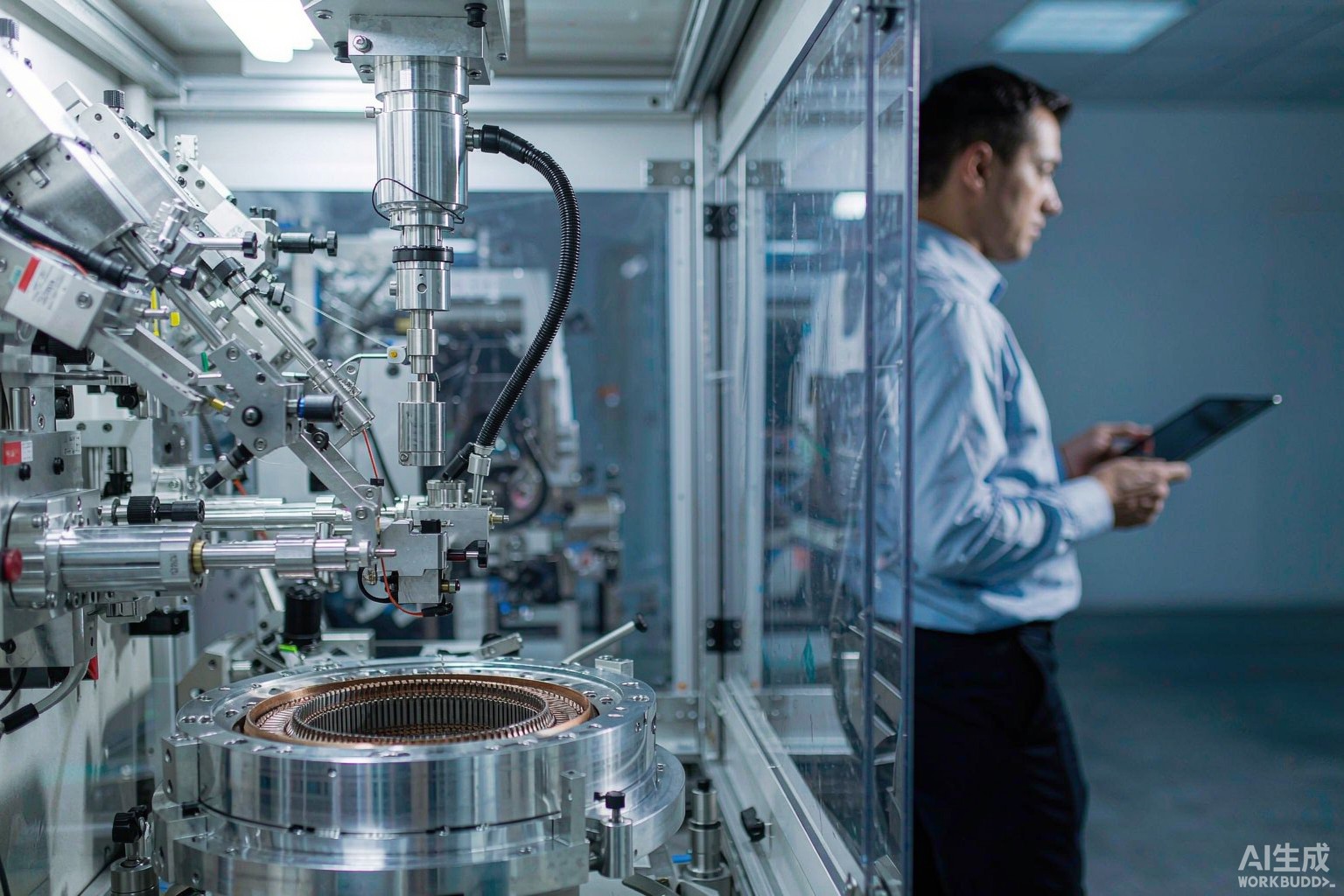
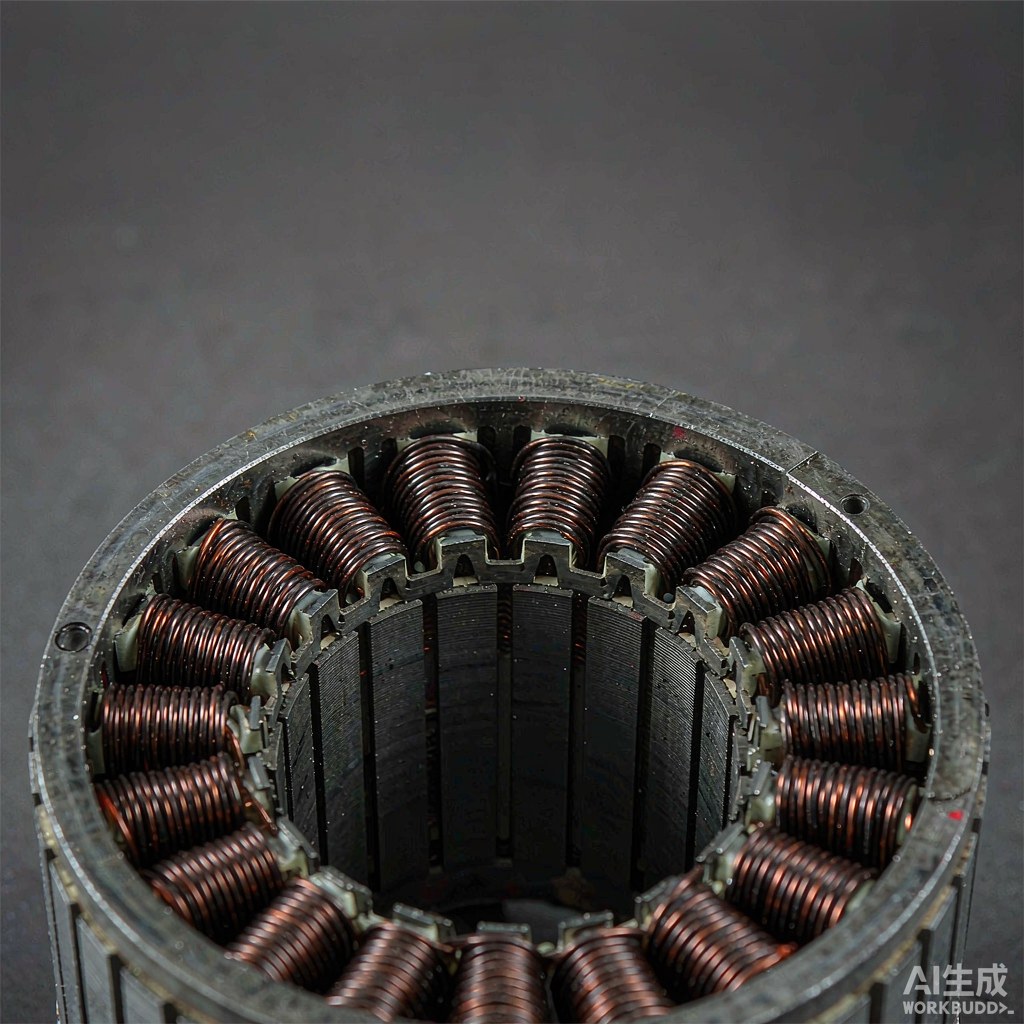
Beyond optical communication automation equipment, Xingte Technology also develops high-precision intelligent winding equipment and full-line delivery solutions. It offers customized non-standard automation solutions from standalone machines to complete production lines, covering the full workflow of winding, assembly and testing. Backed by an R&D team of over 360 engineers and more than 145 authorized patents, its technical solutions are widely adopted in high-end manufacturing sectors including optical communications, robotics, new energy vehicles and drones, serving customers across multiple countries and regions.
Industry insiders point out that demand for high-speed optical modules is set to keep growing alongside continuous AI computing infrastructure development. Next-generation technical routes such as NPO and CPO are also evolving rapidly. The automation and intelligence level of manufacturing equipment will be the core competitiveness for optical module manufacturers to expand capacity, cut costs and boost efficiency. Domestic equipment vendors with independent core R&D capabilities and end-to-end coupling-and-inspection solutions will play an increasingly important role in the upgrading of the optical module industry.