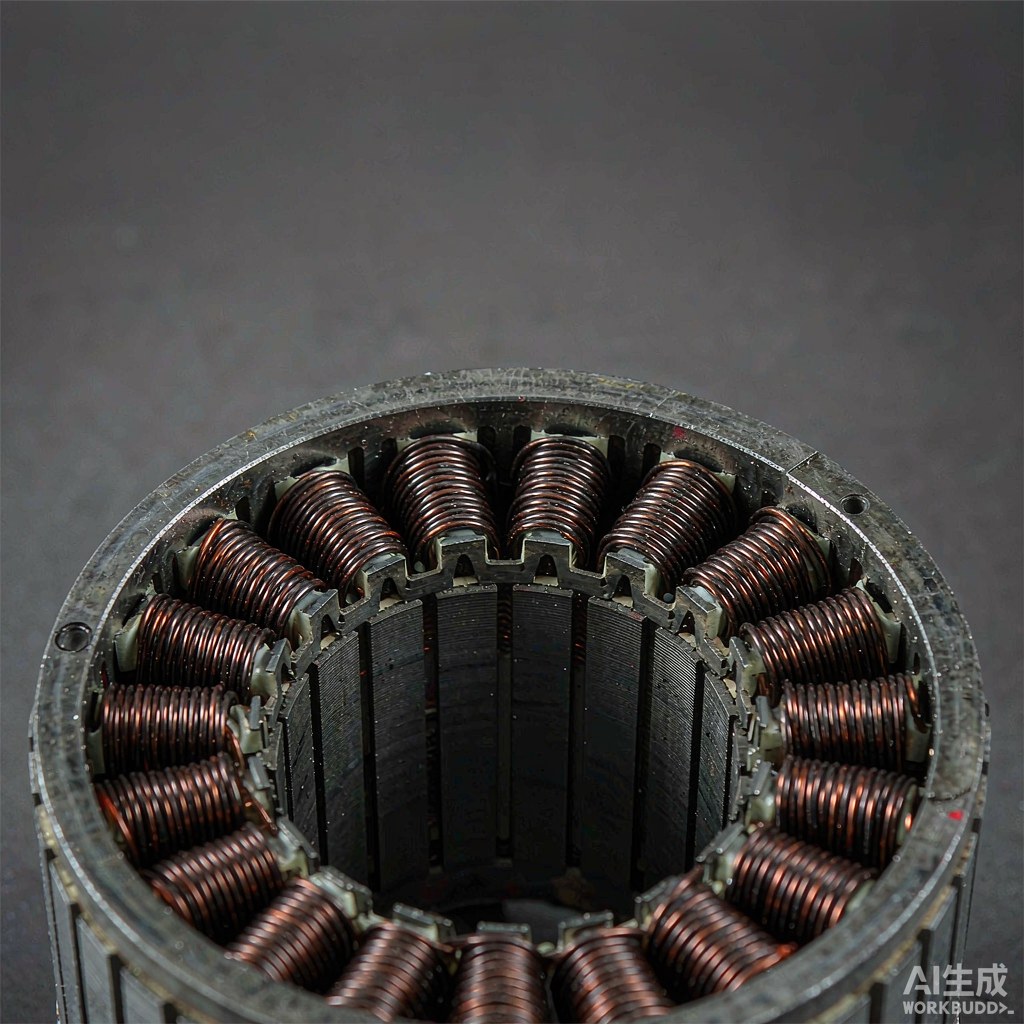
Every winding line upgrade eventually reaches the same argument. One side wants tighter accuracy and better evidence before anything else changes; the other wants shorter cycle time because the order book is already full. Both positions are reasonable, and neither wins in the abstract. This short discussion lays out the two cases and the questions worth taking back to your own line. It deliberately offers no conclusion, because the right answer depends on what your scrap looks like and how often your product mix changes. For the measurement side, see our guide to evaluating stator winding machine accuracy.
Why the accuracy-versus-takt debate never settles
The two goals are measured in different units and paid for at different times. Accuracy shows up in yield, rework, warranty exposure and the ability to quote tighter customer tolerances. Cycle time shows up immediately in output per shift and in delivery promises. A team under delivery pressure will always feel the second number more sharply than the first.
There is also a measurement problem. Accuracy is usually discussed as a machine specification, while cycle time is discussed as a line result. Comparing them directly is like comparing a caliper reading with a shift report. Before the debate can be productive, both sides need to agree on a common denominator: good parts per shift, with a stated definition of "good".
The case for accuracy first
If scrap and rework are driven by placement, tension peaks or turn-count variation, adding speed will multiply the loss. A faster line running an unstable process produces more bad parts faster, and the extra output is consumed by inspection and rework. In that situation, stabilising the process first is the cheaper route to more good parts.
There is a second argument for accuracy: it expands what you can quote. A line that can demonstrate a controlled process with retained evidence can take on work with tighter tolerances. That option is hard to price in a meeting about this month's output, but it is often worth more than a few seconds of cycle time. The counter-argument is fair, though: accuracy work can continue indefinitely, and a program that never reaches a defined acceptance point becomes a cost with no return.
The case for cycle time first
If the process is already stable and the constraint is pure capacity, accuracy work has little to add. A line with controlled tension, a documented baseline and steady first-pass yield is a candidate for handling automation, faster traverse or a second station. Here the risk is not quality but starving the line: an upgrade that speeds the winding head while load, unload and inspection stay manual often delivers far less than the quoted cycle-time reduction.
Supporters of this route also point to the cost of waiting. A delivery commitment missed this quarter cannot be recovered by a better capability next quarter. The honest check is whether the baseline really is stable across lots, shifts and variants. If it is not, "cycle time first" is a bet that the process will hold while being pushed harder.
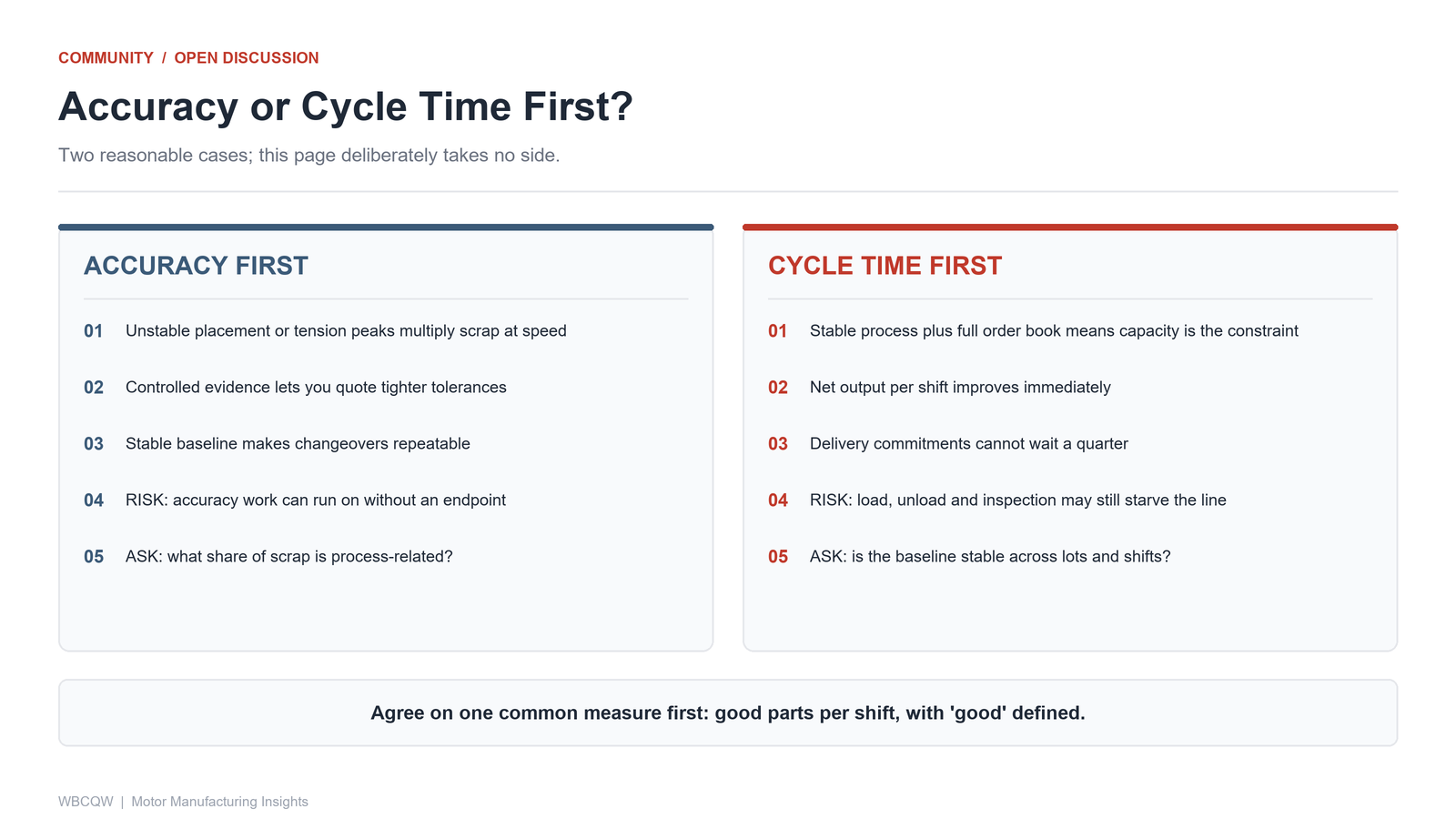
Fig. 1 - Two cases, two risk profiles, and the questions that decide which applies. Illustrative diagram, not a product photograph.
What changes when the product mix is volatile
A stable, high-volume part rewards cycle time; a changing mix rewards control. Frequent changeovers bring fresh first articles, new wire lots and repeated setup verification, so the ability to return to a documented baseline matters more than nominal speed. Ask how many variants ran last quarter, how long a changeover actually takes including first-article inspection, and whether scrap clusters after changeovers.
| Question to take back | What the answer tells you |
|---|---|
| What share of scrap is placement or tension related? | Whether speed will multiply an existing loss |
| Is the baseline stable across lots and shifts? | Whether the process can be pushed safely |
| How much of the cycle is load, unload and inspection? | Where an upgrade can actually add output |
| How often does the product mix change? | Whether changeover control outranks nominal takt |
| Can both sides agree on good parts per shift? | Whether the debate has a common measure at all |
So which should lead? The most useful answer may be to refuse the framing. Define the smallest accuracy baseline that makes the process controllable, verify it with a sample run on your own parts, and only then decide how much speed the line can absorb. If you have a view from your own shop floor, that is exactly the kind of experience this column is meant to collect.