A trial request that lists only a part number and a quantity is hard to interpret, because the supplier must guess the wire, revision and acceptance method. A dossier pairs the part, the material and the test conditions in one submission. This article gives a copy-and-use form; choosing equipment is separate, covered in our notes on preparing sample parts for winding trials.
Why a trial request needs a dossier, not a part number
A part number identifies a design, but not the revision, the wire lot or the bobbin tool. Two parts with the same number can differ in flange geometry or enamel grade.
It also fixes the acceptance method before the trial starts. A dossier makes a trial interpretable, not representative of production.
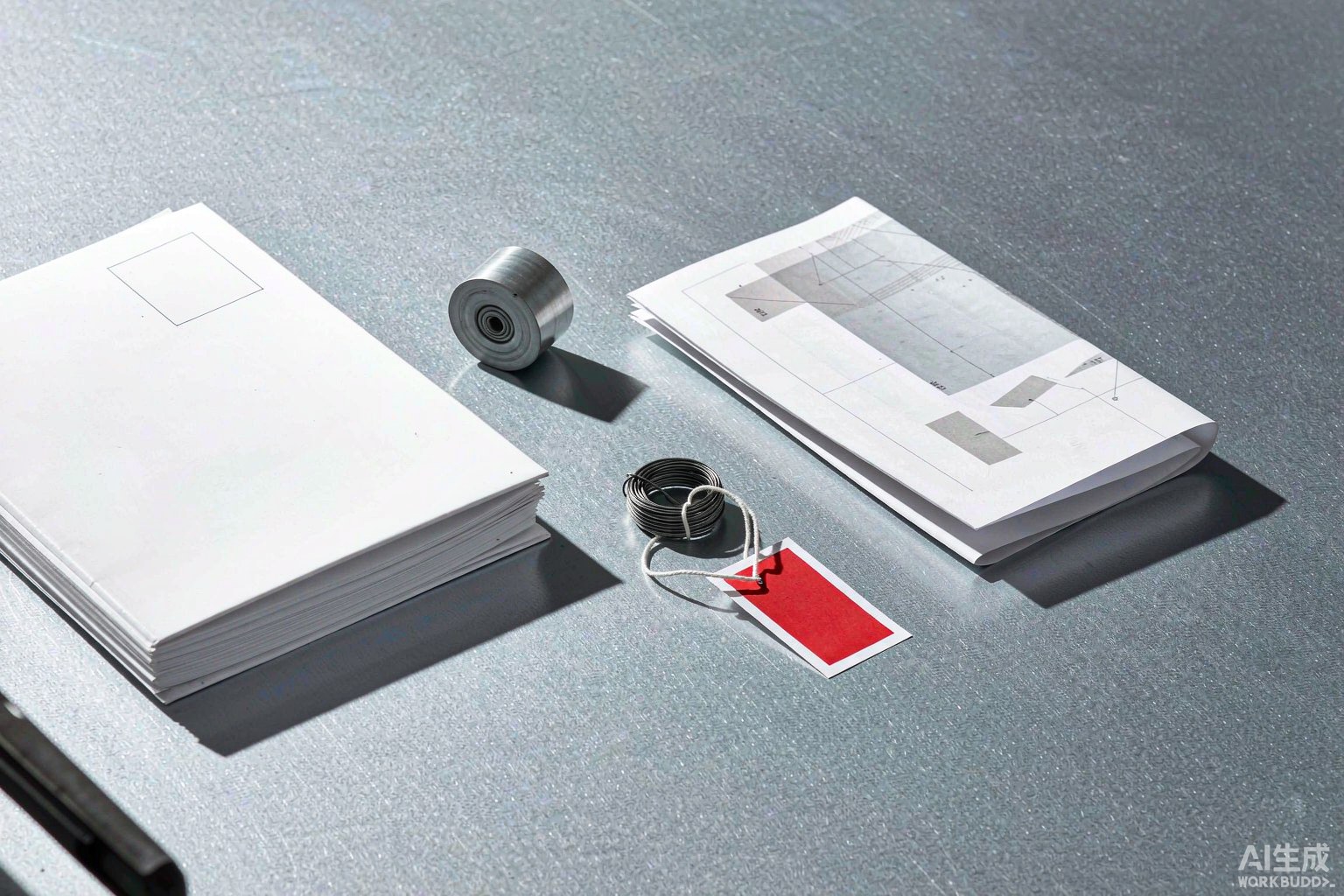
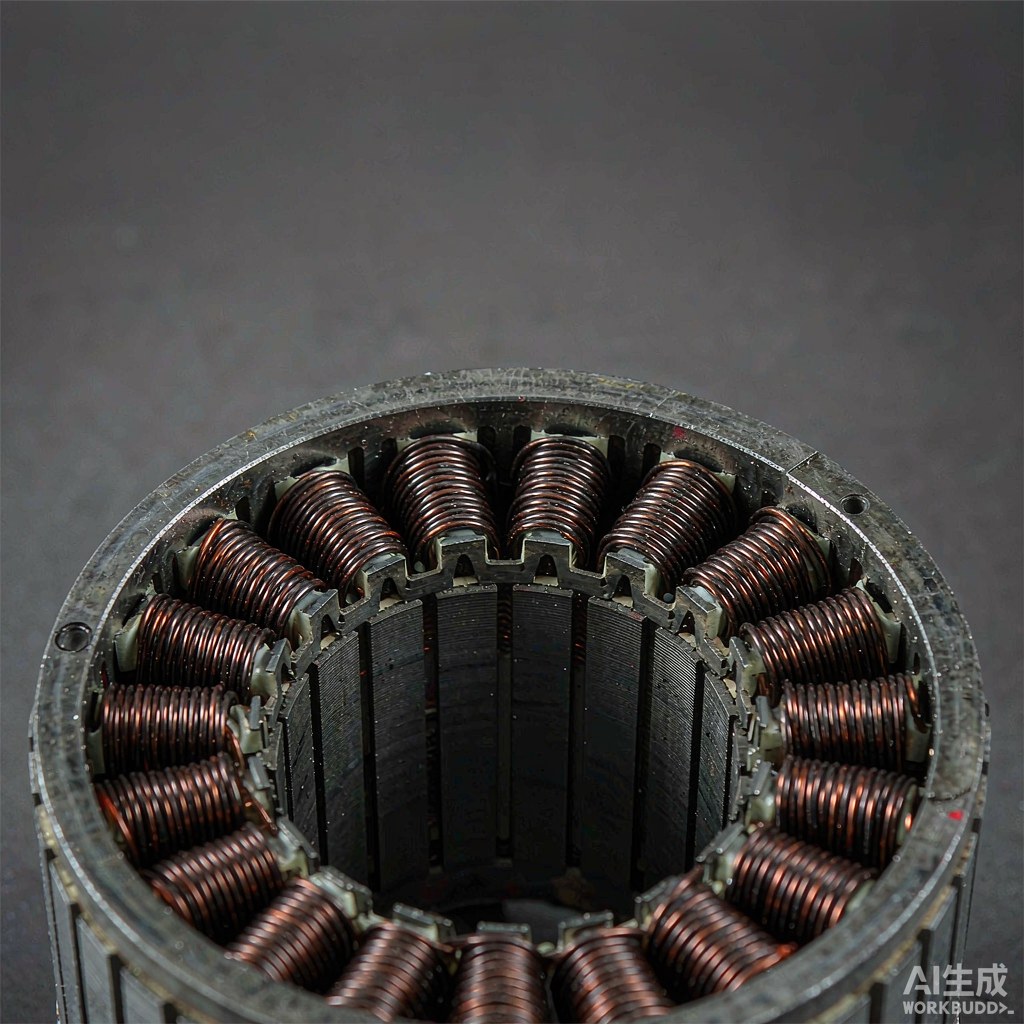
Fig. 1 - A complete dossier pairs the part, the wire and the acceptance method in one request. Illustrative image, AI-generated, not a product photograph.
The copy-and-use request form
Copy the following fields into one request per part, in this order, so each answer becomes a setup input. A blank field must give a reason.
Requester and date: who owns the request and the revision of this form.
Part number and drawing revision: the exact document the part was made to.
Part description and quantity: what it is and how many samples are supplied.
Wire: conductor material, bare diameter, enamel grade and the spool or lot reference.
Bobbin or stator: material, tool or supplier reference, and flange or slot details.
Winding specification: turn count, layers, direction, and any margin or tape requirement.
Target and limits: the dimensions, resistance range or other checks the part must meet.
Acceptance method: how each check is measured, with clamp points and conditions.
Constraints: known problem areas, previous failures, or handling restrictions.
Attachments list: what is in the box, cross-referenced to the fields above.
Each field maps to a decision the program maker takes, so the wire and drawing revision matter as much as the turn count.
| Form field | Example of a complete answer | Why it is needed | Attach |
|---|---|---|---|
| Part and revision | Part number plus drawing revision letter | Fixes the geometry to wind to | Drawing sheet |
| Wire and lot | Material, diameter, enamel grade, lot tag | Sets tension and packing | Wire sample on spool |
| Bobbin or stator | Tool reference and flange dimensions | Defines the winding envelope | Sample parts |
| Winding spec | Turns, layers, direction, margins | Drives the program | Marked-up drawing |
| Acceptance method | Checks, clamp points, conditions | Makes the report readable | Test procedure |
| Constraints | Known issues and handling limits | Avoids repeating a failure | Prior trial notes |
Samples, drawings and test conditions to attach
The physical attachments matter as much as the fields. Supply sample parts from the production tool, the actual wire with its lot tag, and the current drawing.
State the test conditions explicitly: how resistance is measured, at what soak time and temperature, and which clamp points. A report without conditions cannot be compared.
What a useful trial report should return
Ask for the report to mirror the form: the program revision, the wire lot, the settings and the measurements. A framework for evaluating winding machine accuracy helps when discussing how results were measured.
A clean trial shows one part, on one wire lot, could be wound to the stated acceptance method. It does not prove capability across lots or operators.