Fine wire punishes assumptions that coarser wire tolerates. These six questions come up repeatedly on real lines: setpoint choice, measurement point, spool behaviour, acceleration, verification and closed-loop limits. Each gets a short answer below. For the failure modes that follow a bad tension decision, our root-cause checklist for wire breakage is a useful companion. The answers are qualitative, not a numeric recipe.
Six questions, short answers
The six questions share one theme: tension is a property of the whole path, not a single dial. A setpoint that reads correctly on the display can still be wrong at the nozzle if guides or the spool have changed.
Read the answers as starting points, not specifications. Fine wire varies with enamel grade, spool history and ambient conditions. Where an answer depends on the machine, describe the check that resolves it.
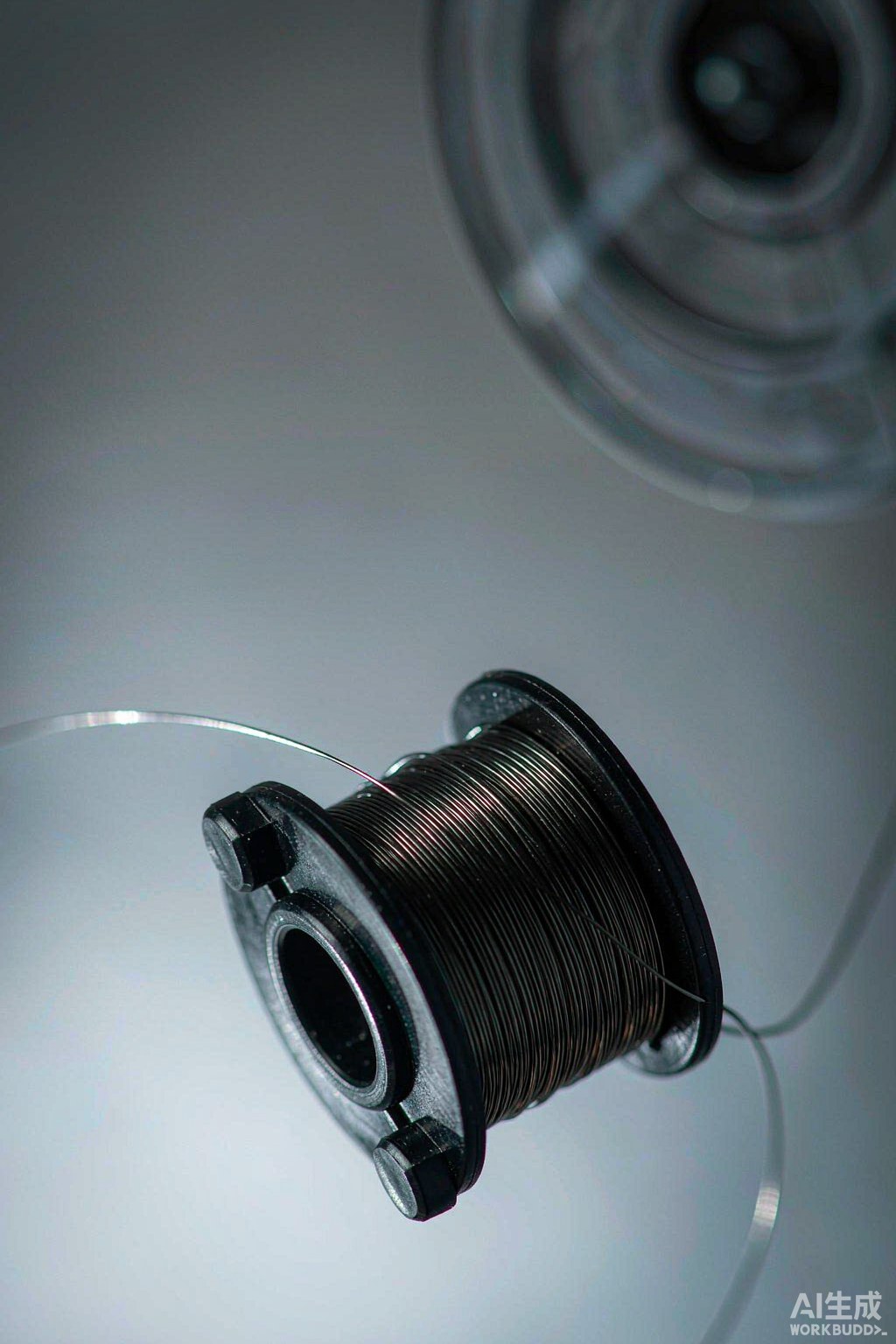
Fig. 1 - Fine wire leaves little margin between a stable setpoint and a damaged turn. Illustrative image, AI-generated, not a product photograph.
Setpoints, measurement point and spool behaviour
Q: where should a setpoint come from? A: from a low starting value raised in small steps while watching the wire, not a copied program. Q: where should tension be measured? A: at one fixed point in the path.
Q: can the spool be ignored? A: no. As a spool empties, its effective diameter changes, so the tension the tensioner sees changes even with an unchanged setpoint. Log the spool by lot and fill.
| Question | Short answer | What to record | When to escalate |
|---|---|---|---|
| What setpoint should I start from | Low, then raise in small steps while watching the wire | Setpoint, peak, wire lot | Visible chatter or a break |
| Where should tension be measured | A fixed point near the nozzle, same every time | Measurement point and gauge | Readings drift with position |
| Does spool condition matter | Yes, package build and diameter change the input | Spool lot and remaining fill | Tension shifts as the spool empties |
| What happens at acceleration | Transient peaks exceed the steady reading | A full-cycle trace at speed | Peaks grow beyond the margin |
| How often should it be verified | At setup, after any change, and on a fixed interval | Check time, result, instrument | Interval missed or a failed check |
| Can closed loop fix everything | No, it cannot correct a poor path or a bad guide | Loop mode and any manual override | Loop hunts or hides a fault |
Acceleration, verification and closed-loop limits
Q: is the steady reading the whole story? A: no, start-up and traverse reversal produce transient peaks a steady display hides, and fine wire breaks at the peak. Q: how often should tension be verified? A: at setup, after any change, and at a fixed interval.
Q: does closed-loop control remove the problem? A: it helps with drift, but it cannot correct a poor wire path or a failing spool.
What to record after each answer
Every answer should leave a trace. Record the setpoint, the fixed measurement point and gauge, the spool lot and the loop mode. A consistent approach to reading winding drawings and records helps keep those entries comparable.
A well-kept record shows a decision was made and under what conditions; it does not prove the wire was undamaged. If a question keeps recurring, treat the record as evidence the process is not under control.