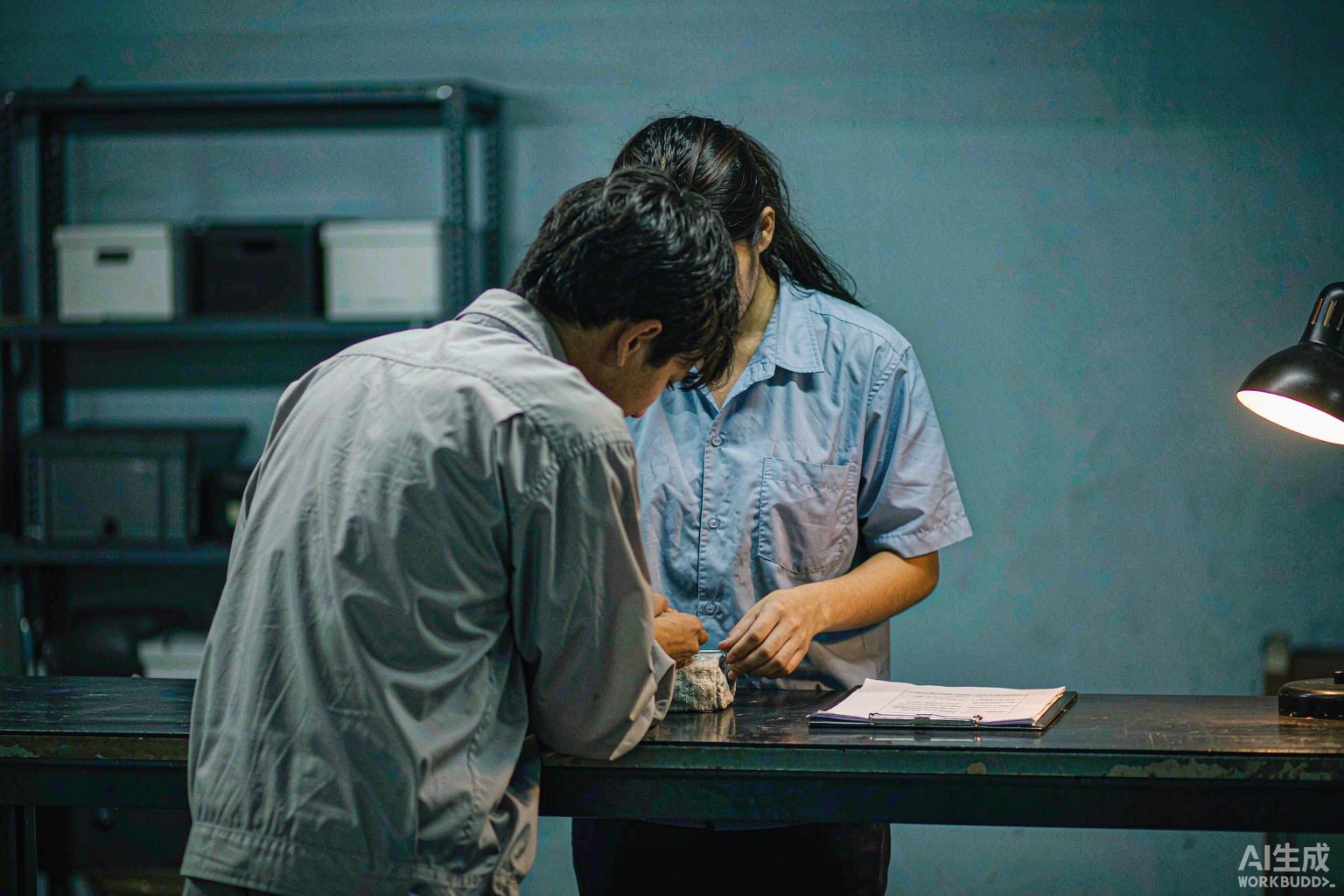
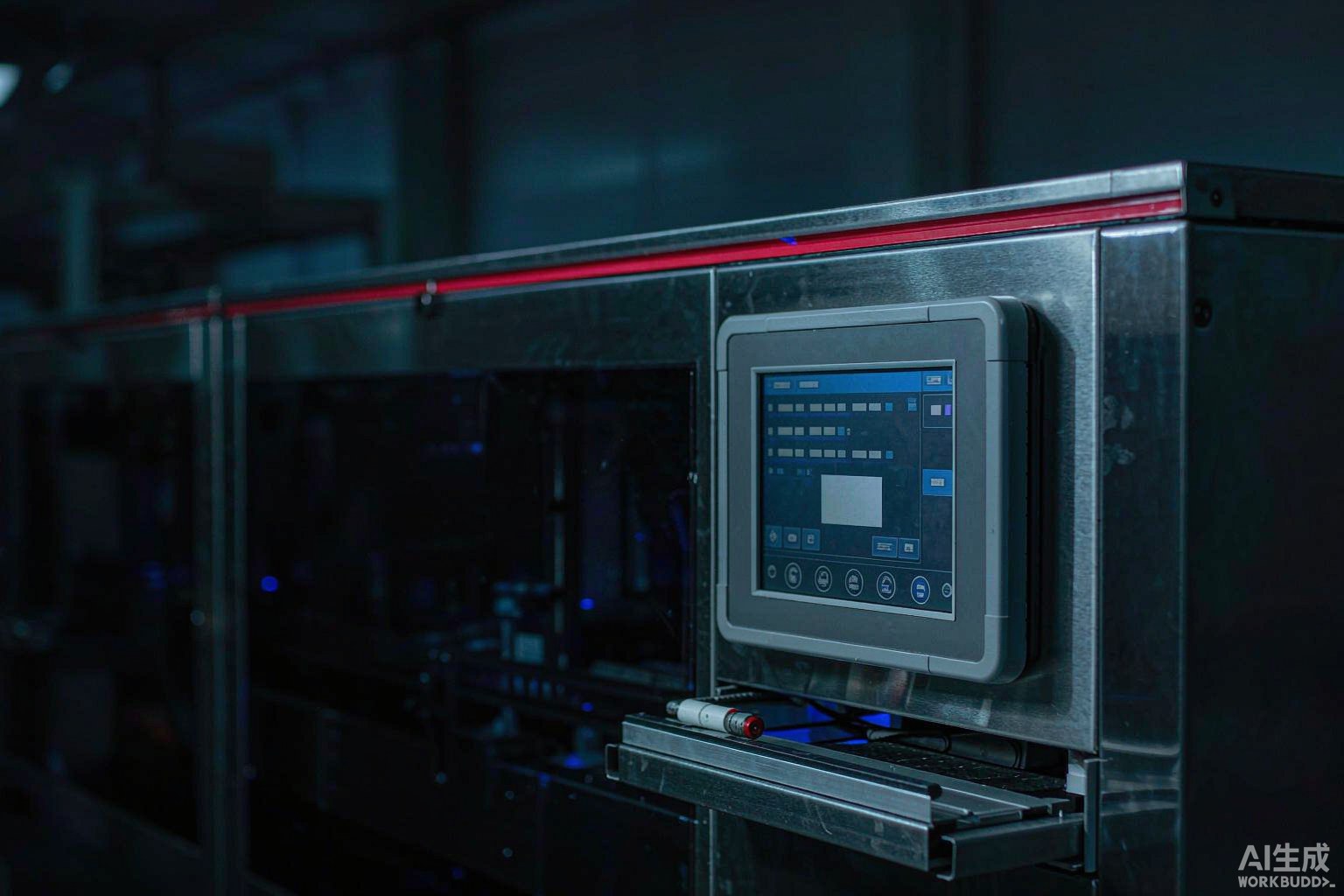
Retrofit case studies are persuasive because they appear to be evidence. A line was slow, a change was made, and output rose. Yet most published accounts omit the two things a reader actually needs: the conditions before the change, and the method used to measure the result. Without them, a percentage is a marketing claim rather than a comparable fact. This article does not present a project, a customer or a number. It sets out what a credible winding line retrofit case study should document, so you can read one critically and write one that survives technical review. For the underlying measurement approach, see our guide to evaluating stator winding machine accuracy.
Why retrofit claims are hard to verify
A retrofit changes several things at once. New fixtures, a revised program, a different tensioner, a modified handoff and additional training usually arrive together. If output improves, attributing the gain to one component is rarely possible. The case becomes harder to check because the reader cannot rerun it: the original line no longer exists, and the baseline was captured with a different method or not at all.
There is also a selection effect. Retrofits are reported when they go well, and the reported period is often the best run rather than a representative one. A credible case study counters this by stating the observation window, the product mix, and the exclusions. It should be possible for a reader to say what was measured, over how long, and what was left out. If those three facts are missing, the headline figure has no context.
Baseline conditions that must be stated
The baseline is the half of the study that usually disappears. It should describe the machine and its configuration, the program revision, the wire lot or range of lots, the fixture, the operator or crew, the shift pattern, the product variants, and the acceptance criteria in use at the time. It should also state the output measure: good parts per shift, net of scrap, rather than machine cycles or gross throughput.
Conditions that drift matter as much as settings. Ambient temperature, material supply, maintenance state and the way downtime was recorded can each move the result. A baseline taken during a week of easy variants is not comparable with a post-retrofit week of difficult ones. Ask whether the same variants were run in both periods, and whether the same test instruments and reference parts were used. If a case study cannot describe its own starting point, its improvement is not measurable.
Before-and-after metrics worth trusting
Prefer absolute values over percentages, and show the distribution rather than only the mean. Cycle time, first-pass yield, scrap by cause, unplanned stops, changeover time and recovery time after a fault are all useful, but each needs a definition. Does cycle time include load and unload? Does yield include parts rejected at the downstream tester? Are start-up parts counted? Two teams can report the same line with very different numbers simply by choosing different boundaries.
A trustworthy account reports sustained output over a defined period, with the slowest periods visible, and keeps the measurement method identical before and after. Where a new tester or data system was installed as part of the retrofit, say so: a change in measurement capability can look like a change in quality. The most useful tables in a case study are often the boring ones, listing definitions and measurement points rather than a single bold improvement figure.
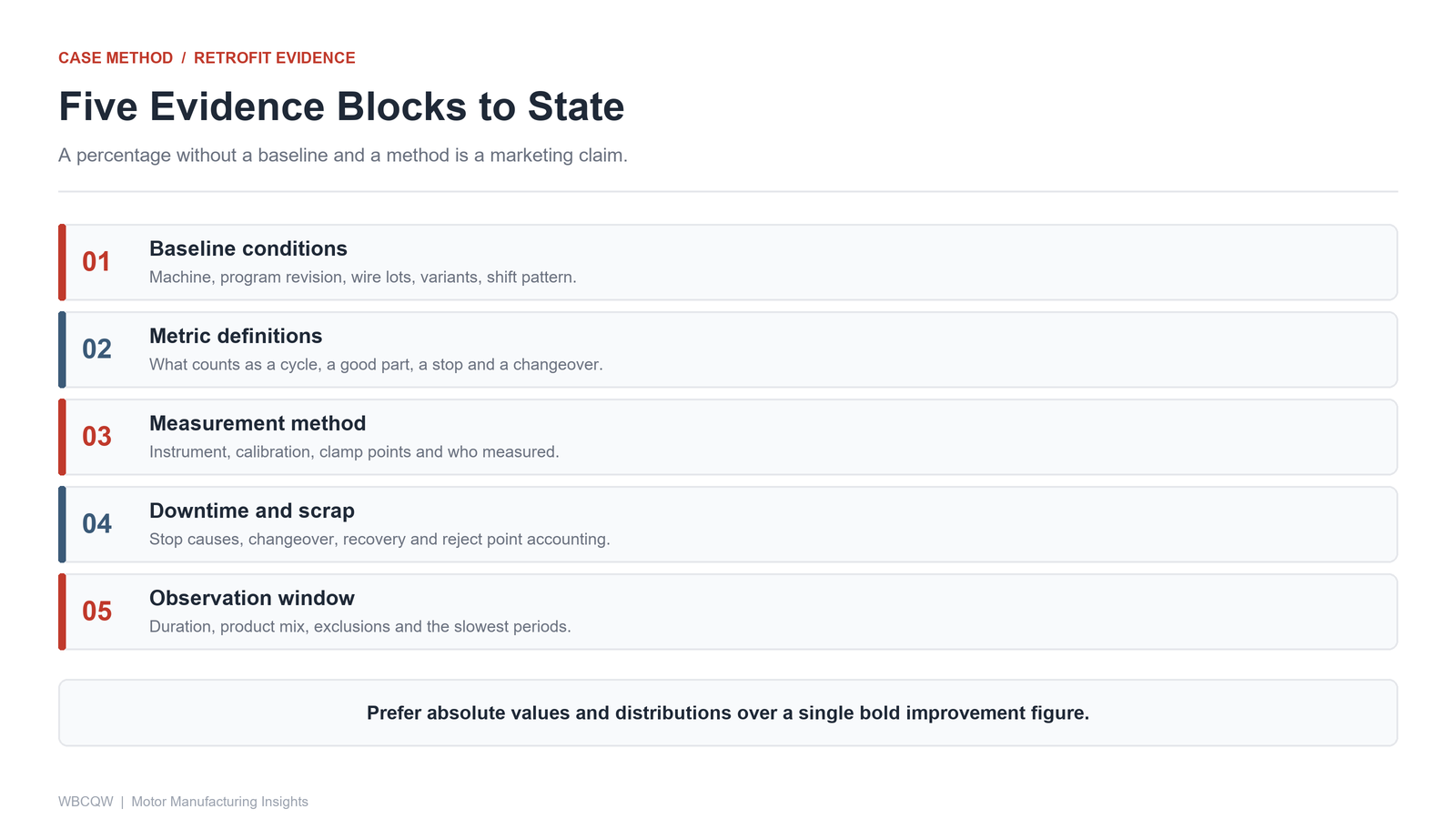
Fig. 1 - Five evidence blocks: baseline, definitions, measurement, accounting and ownership. Illustrative diagram, not a product photograph.
Downtime, changeover and scrap accounting
Retrofits often improve the winding cycle while adding complexity elsewhere. A loader may remove manual handling but introduce a new jam mode; an inline tester may catch defects earlier but stop the line more often. A serious case study includes unplanned downtime by cause, planned changeover time, and the time needed to recover after a stop. Net output over a full shift is the number that matters, not the nominal cycle of the winding head.
Scrap needs the same discipline. State where parts were rejected, whether rework was allowed, and how a rejected part was removed from the count. If the retrofit changed the definition of a good part, the yield comparison is invalid unless both periods are recalculated with the same rule. Also note consumables: a new guide or nozzle fitted during commissioning can make the first week look better than the sixth. Include the maintenance state at both ends of the observation window.
Who measured, with which instrument
Measurement provenance is the detail most often omitted. State which instrument was used for resistance, dimensions or tension, its calibration status, the test conditions and clamp points, and who performed the measurement. Where data came from the machine or a line controller, say whether it was automatically captured or transcribed, and whether the timestamps were synchronised. A result measured by the supplier before handover and a result measured by the site team after handover are not automatically comparable.
Ask for the raw records, or at least a summary that can be checked against them: run logs, stop logs, first-article sheets and retained reference parts. Our guide to winding process troubleshooting shows why a controlled baseline and retained samples matter; the same logic applies to a retrofit claim. If only a slide with two numbers exists, treat the case as an illustration, not as evidence.
| Claim | Evidence required | Common omission |
|---|---|---|
| Cycle time reduced | Full cycle definition, distribution, variants run | Load, unload and settle time excluded |
| Yield improved | Same acceptance rule in both periods, reject point | Definition of a good part changed |
| Output increased per shift | Stop log, changeover and recovery time | Only the best run reported |
| Consistency improved | Instrument, calibration, conditions, raw data | No retained reference part |
| Changeover is faster | Variant list, timed sequence, first-article step | First article after changeover omitted |
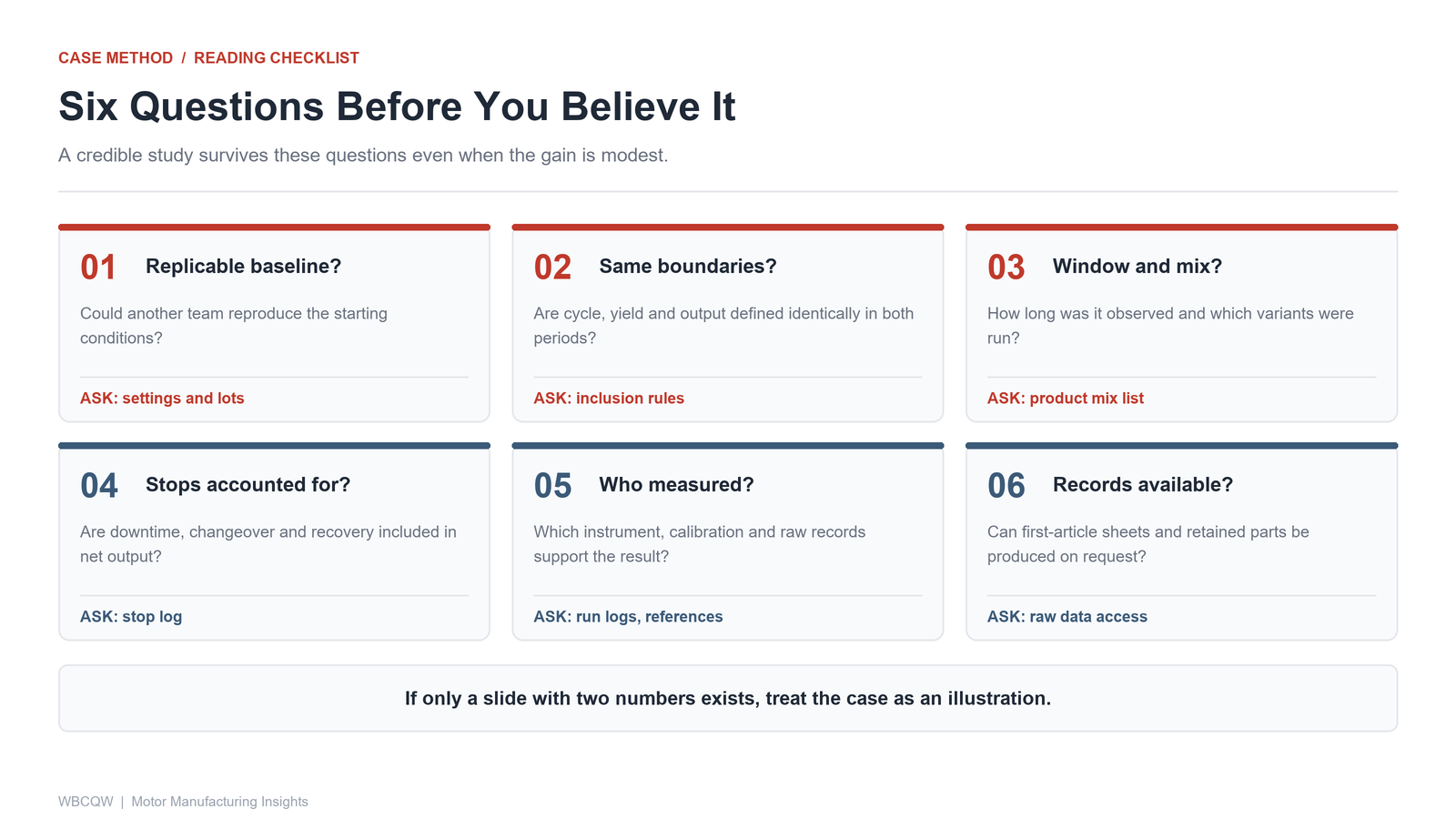
Fig. 2 - Six questions to ask before accepting any before-and-after figure. Illustrative diagram, not a product photograph.
A case-study reading checklist
Read a retrofit account with six questions. Was the baseline described well enough to be replicated? Are all metrics defined with the same boundaries in both periods? Is the observation window and product mix stated? Are downtime, changeover and scrap accounted for rather than ignored? Is the measurement method and its owner identified? And can the raw records be produced on request? A study that answers these is useful even when the improvement is modest.
Xingte Technology, based in Shenzhen, supplies multi-axis precision winding machines, stator and rotor winding machines, and standard and customized automation solutions for automotive electronics, robotics, UAV and optical module production, with sample testing, on-site commissioning and after-sales support. Any customization changes the baseline, so document the delivered configuration rather than the standard model. The honest limit of this article is deliberate: no case study proves that a retrofit will produce the same result on your line. Use the checklist to decide what evidence to request, then build your own baseline before any work starts.