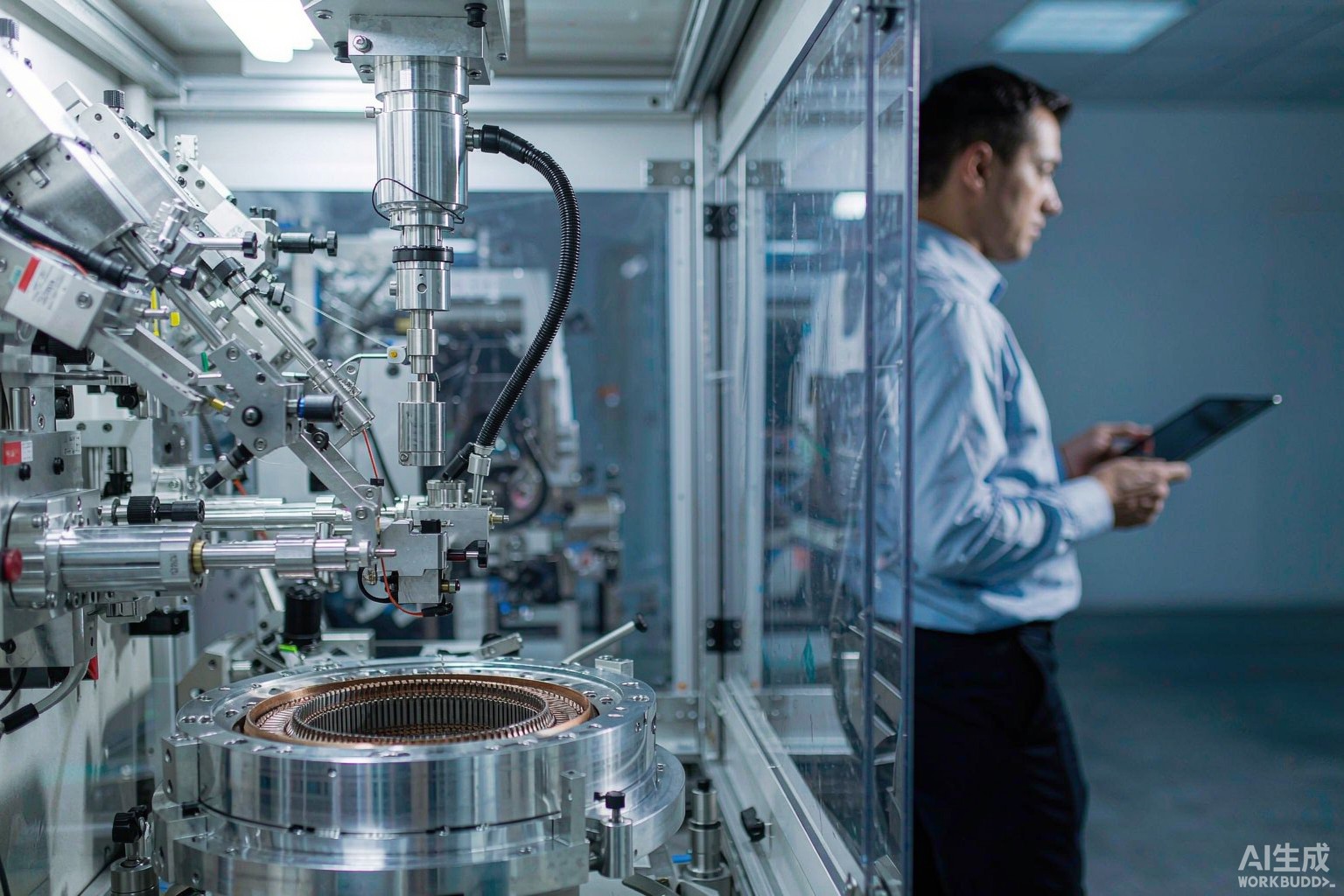
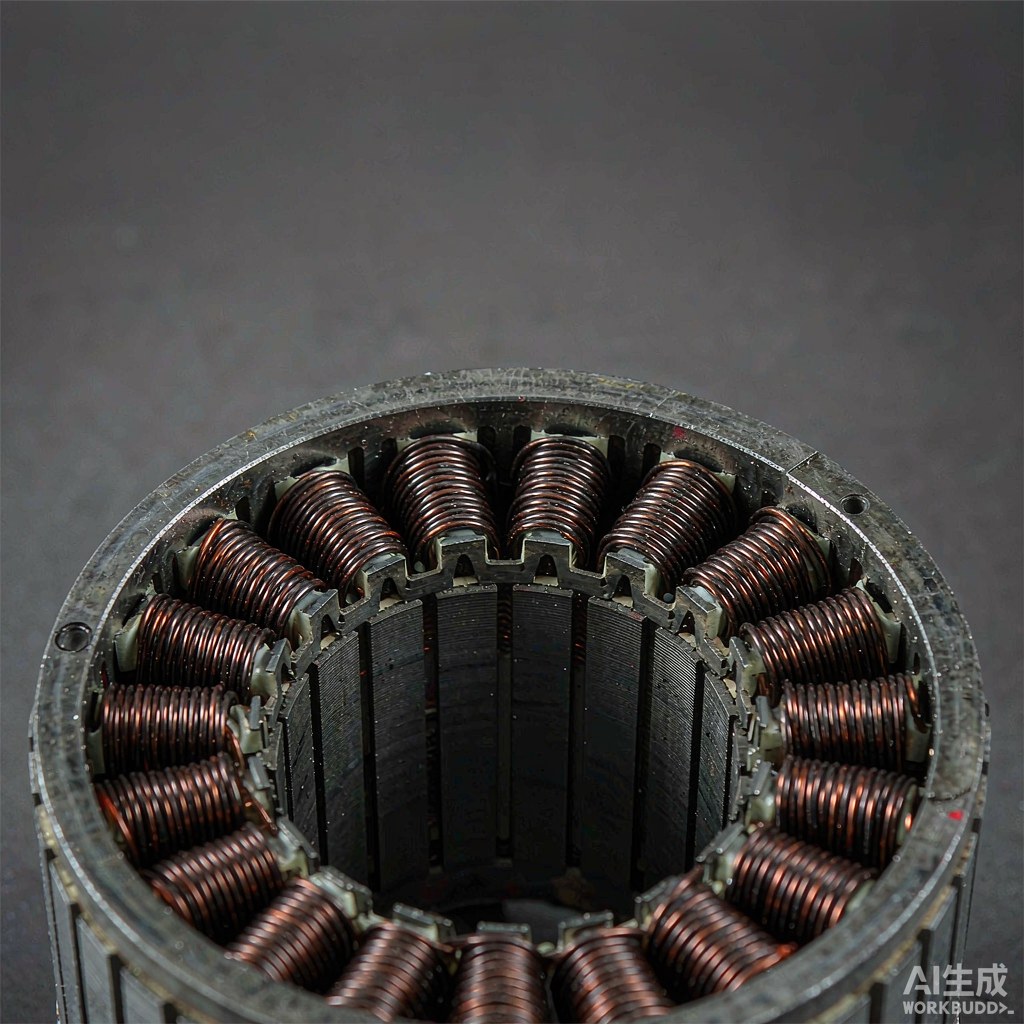
Eight questions come up in almost every winding machine enquiry. The short answers below stay deliberately cautious: no invented lead times, prices or unconditional performance promises. Where a real answer depends on your part, your wire lot and your test method, we say so and point to the longer guides. For the full measurement approach, see evaluating stator winding machine accuracy; for fine-wire failures, see the root-cause troubleshooting checklist.
Eight questions, short answers
Q1. Can one machine cover all our parts? Only if the parts share a wire diameter range, a part size and a tooling envelope. A wide variant spread usually needs matched guides, nozzles and fixtures, and sometimes a different machine. Ask for a sample run on the parts at both ends of the range.
Q2. What should we send with the first enquiry? A part drawing with revision, a wire sample or full wire data, target output, variant mix, the test method and the site constraints. A part number alone produces a generic quotation and a long clarification cycle.
Accuracy, tension and samples
Q3. Is a quoted accuracy figure enough to compare machines? No. Ask for the measurement method, instrument, conditions, sample size and raw results. A number without a method cannot be repeated at your site, and a number measured on a supplier's test piece is not evidence about your part.
Q4. Why does tension come up so often with fine wire? Because the wire fails at transient peaks during start-up and traverse reversal, not at the steady setpoint. Request a full-cycle trace or a documented gauge check, and ask which guides and tensioner hardware are qualified for your wire diameter.
Integration and data
Q5. Can the machine connect to our line or data system? Often, but "standard interface" means different things to different suppliers. Specify the mechanical handoff, signal list, safe states and the minimum dataset before the order. Ask for a disconnect and reconnect test during commissioning.
Q6. What production data is worth capturing? Start small: part identifier, program revision, wire lot, time, tension peak where available, turn count and the test result. Agree who stores each field and how long it is retained. Collecting everything without an owner creates records nobody can use.
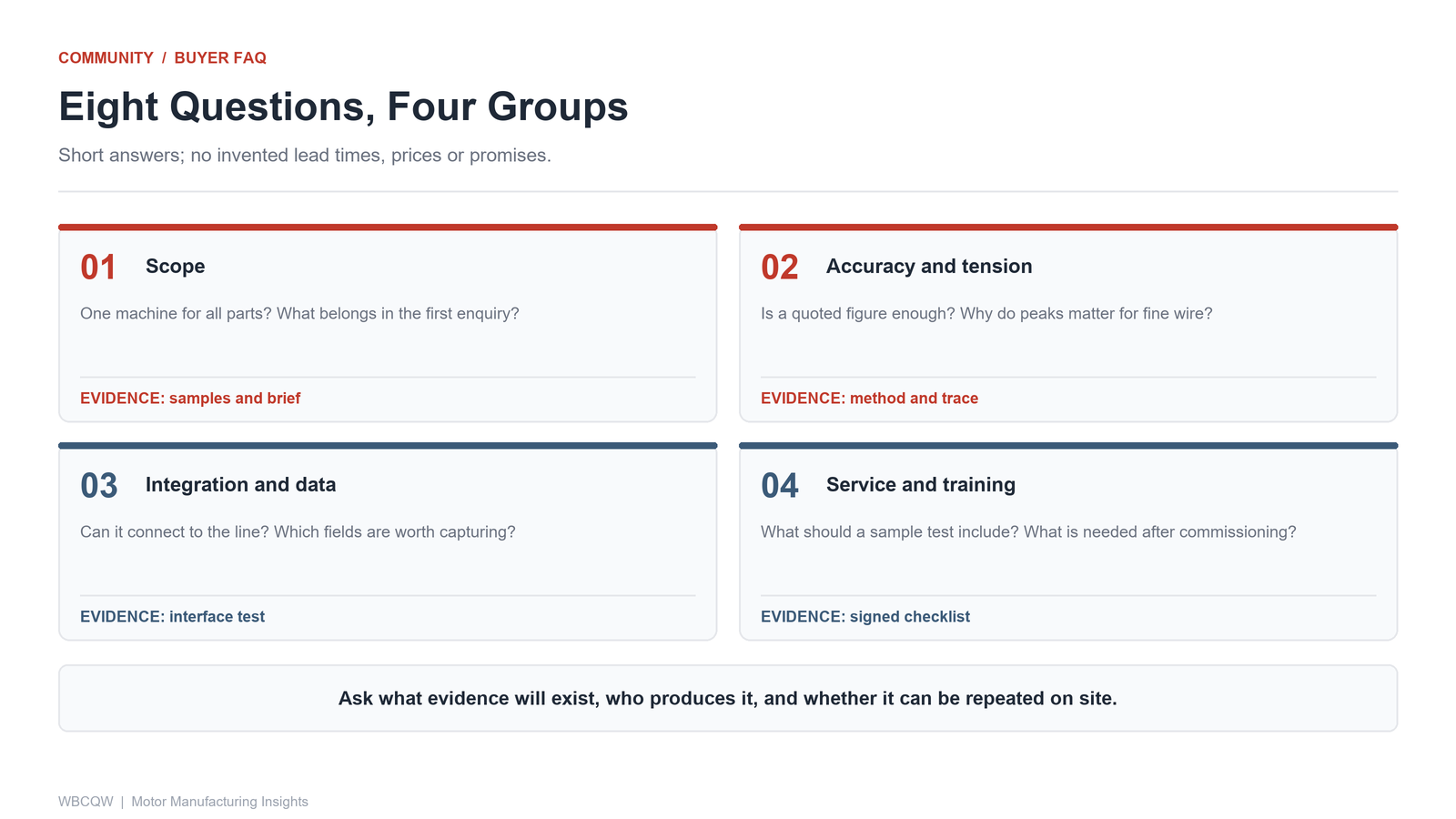
Fig. 1 - Eight questions in four groups: scope, accuracy, integration and service. Illustrative diagram, not a product photograph.
Service, spares and training
Q7. What should a sample test and first article include? A part wound from your wire lot at your intended cycle time, a setup sheet with the program revision and parameters, and measured results with stated temperature, soak time and clamp points. Keep the retained part as a reference for later comparisons.
Q8. What do we need after commissioning? A spare parts list with part numbers, a demonstrated program backup and restore, manuals in a language your team uses, training records, and a signed open-item list with owners and dates. Ask to see blank copies of these documents before the purchase order.
| Question | Short answer | Evidence to request |
|---|---|---|
| Q1 One machine for all parts? | Only within a shared range | Samples at both range ends |
| Q2 What to send first? | Drawing, wire, output, test method | A written requirement brief |
| Q3 Is accuracy enough? | No, the method matters as much | Raw data and conditions |
| Q4 Why tension peaks? | Fine wire fails at transients | Full-cycle trace or gauge record |
| Q5 Line connection? | Specify signals and safe states | Interface document and test |
| Q6 Which data to capture? | A small, owned minimum set | Data dictionary and retention rule |
| Q7 Sample test scope? | Your part, wire lot and cycle time | Setup sheet and retained part |
| Q8 After commissioning? | Spares, backup, manuals, training | Signed checklist and open items |
If a question is not on this list, it is usually a version of one that is: what evidence will exist, who will produce it, and can it be repeated at your site. Xingte Technology, based in Shenzhen, supplies multi-axis precision winding machines, stator and rotor winding machines, and standard and customized automation solutions for automotive electronics, robotics, UAV and optical module production, with sample testing, on-site commissioning and after-sales support. As with any supplier, ask for the evidence behind the answer rather than the answer alone.