Two offers for what looks like the same machine can describe different deliveries, and the cause is usually scope rather than price. One maker includes the fixtures, another lists them as optional; one bundles acceptance, another prices it separately. Comparing totals before those boundaries are aligned is how a decision gets revised after the order. This article treats the quotation as a document to normalise line by line and leaves the broader question of how support terms are assessed aside. Make the scopes identical on paper, then compare.
Why the scope of supply decides the comparison
A price means something only against a defined scope. Until you know which axes, controls, tooling and services are included, a number is a headline, not an offer. The common error is comparing a configured machine with a base platform and reading the gap as a discount. Scope also sets what must be bought later, and those purchases rarely appear in the first comparison.
Scope also fixes responsibility. Items inside it are the maker's obligation; items outside become the buyer's. Acceptance, installation and training sit on that boundary, and a vague line there is where disputes start. A good quotation lets an independent reader say what will arrive, what will be done on site, and what the buyer must still provide.
Machine configuration and what is included
Start with the machine: axis count, spindle arrangement, traverse type, tension system, control hardware and safety equipment. Similar model names can hide different configurations, so trust specification lines over the label. Confirm the quoted controller, drives and software version are current and that program capacity fits the intended part mix. A base machine needing an added axis is not cheaper once priced.
Check what 'included' covers in consumables and documentation too. Sample wire, test bobbins, manuals and electrical drawings are small lines, easy to omit and awkward to chase later. Ask for the configuration as a bill of materials, not a marketing description.
Tooling, fixtures and part-specific hardware
Here two scopes diverge most. Fixtures, collets, bobbin holders, guide sets, nozzles and part-specific tensioner hardware are often quoted separately or left to be defined. A machine is only productive on the parts those tools fit, so a quotation excluding them describes a platform, not a process. List every variant the line must run and ask which tool set covers it.
Ask who owns the tooling design and what happens when a revision makes a fixture obsolete. For attaching the part, drawing and acceptance method to a request, a complete trial-request dossier is useful. The limit is honest: a tooling list is final only once parts and revisions are fixed, so a quote from a single sample stays provisional.

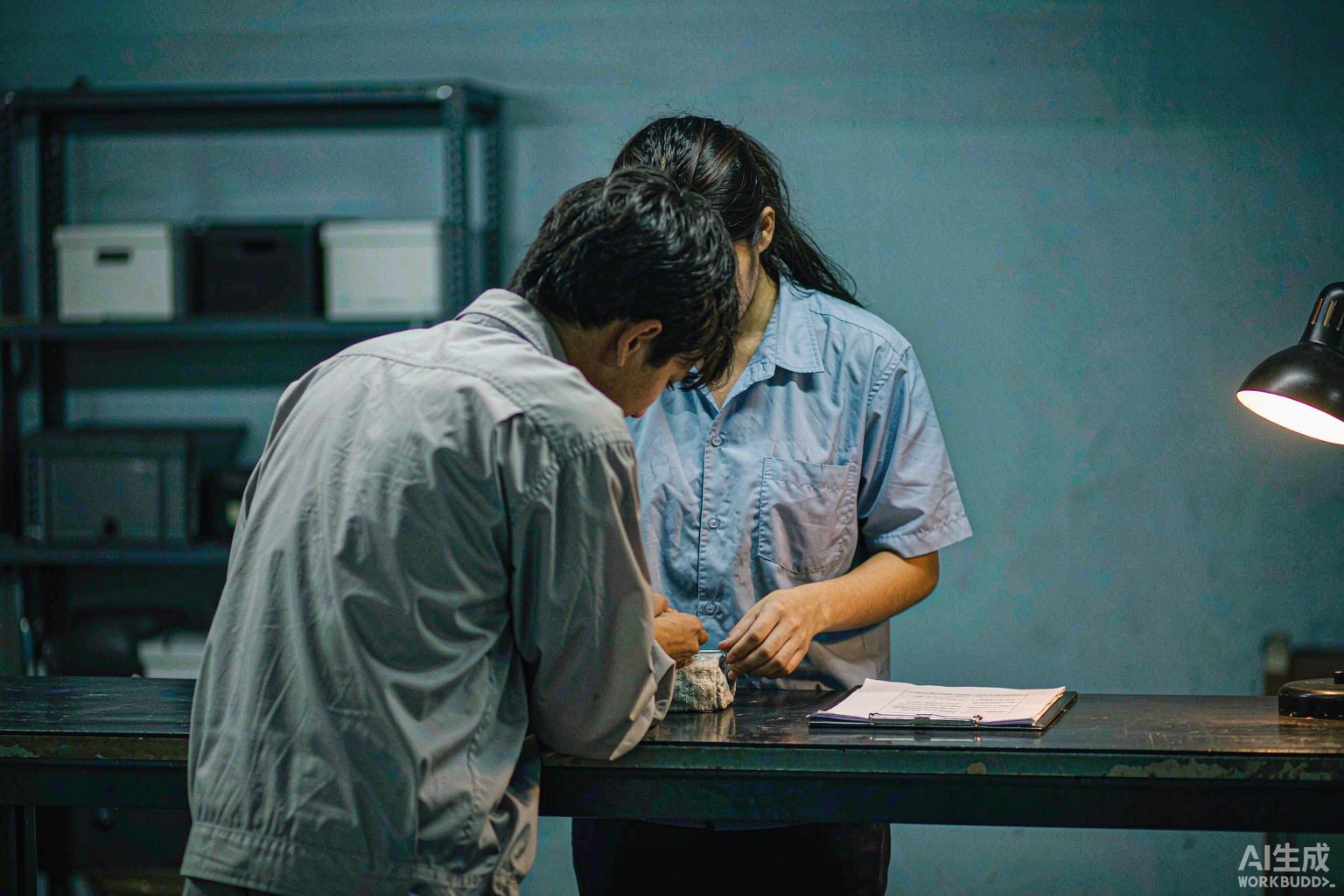
Fig. 1 - Two documents side by side make scope differences visible before price is discussed. Illustrative image, AI-generated, not a product photograph.
Acceptance, installation and training boundaries
Acceptance defines when the machine counts as delivered, and terms vary widely. Some quotes include a factory check, some a site acceptance, some only a dispatch check. Clarify where it happens, against which parts and criteria, and who supplies samples. Installation is equally variable: floor preparation, rigging, utilities and crane access may fall on either side. State training as who, where and how many.
These are schedule and capability, not commercial detail. A buyer who assumes installation is included and finds it is not adds cost no price comparison captured. Write each assumption into the normalisation sheet with a column for who is responsible.
| Scope item | Offer A states | Offer B states | Question before comparing |
|---|---|---|---|
| Machine configuration | Base platform only | Fully configured machine | Are axes and controls identical |
| Part-specific tooling | Listed as optional | Included for stated variants | Are the part variants named |
| Fixtures and changeover | Single fixture set | Multiple sets with changeover | Is the whole part mix runnable |
| Acceptance activity | Factory check only | Site acceptance on buyer parts | Where and against what criteria |
| Installation and utilities | Buyer responsibility | Included to point of use | Who prepares floor and services |
| Training | Single session at factory | On-site sessions included | Who, where and for how many |
| Spares and support | Not stated | Starter spares listed | What is stocked and for how long |
Exclusions, assumptions and optional items
The most useful part of a quote is often what it excludes. Read exclusions as carefully as inclusions: site works, civil preparation, upstream handling, environmental controls and consumables are commonly placed outside. Assumptions matter just as much, because a price built on an assumed part, cycle or operator skill is valid only while that assumption holds. Ask for them in writing, then test each against the real plan.
Give optional items a separate column noting whether each is needed on day one. The limit of this reading is that it cannot price a requirement nobody has defined; a scope is only as complete as the information supplied. A tidy quote resting on unstated assumptions is less certain than one listing its unknowns openly.
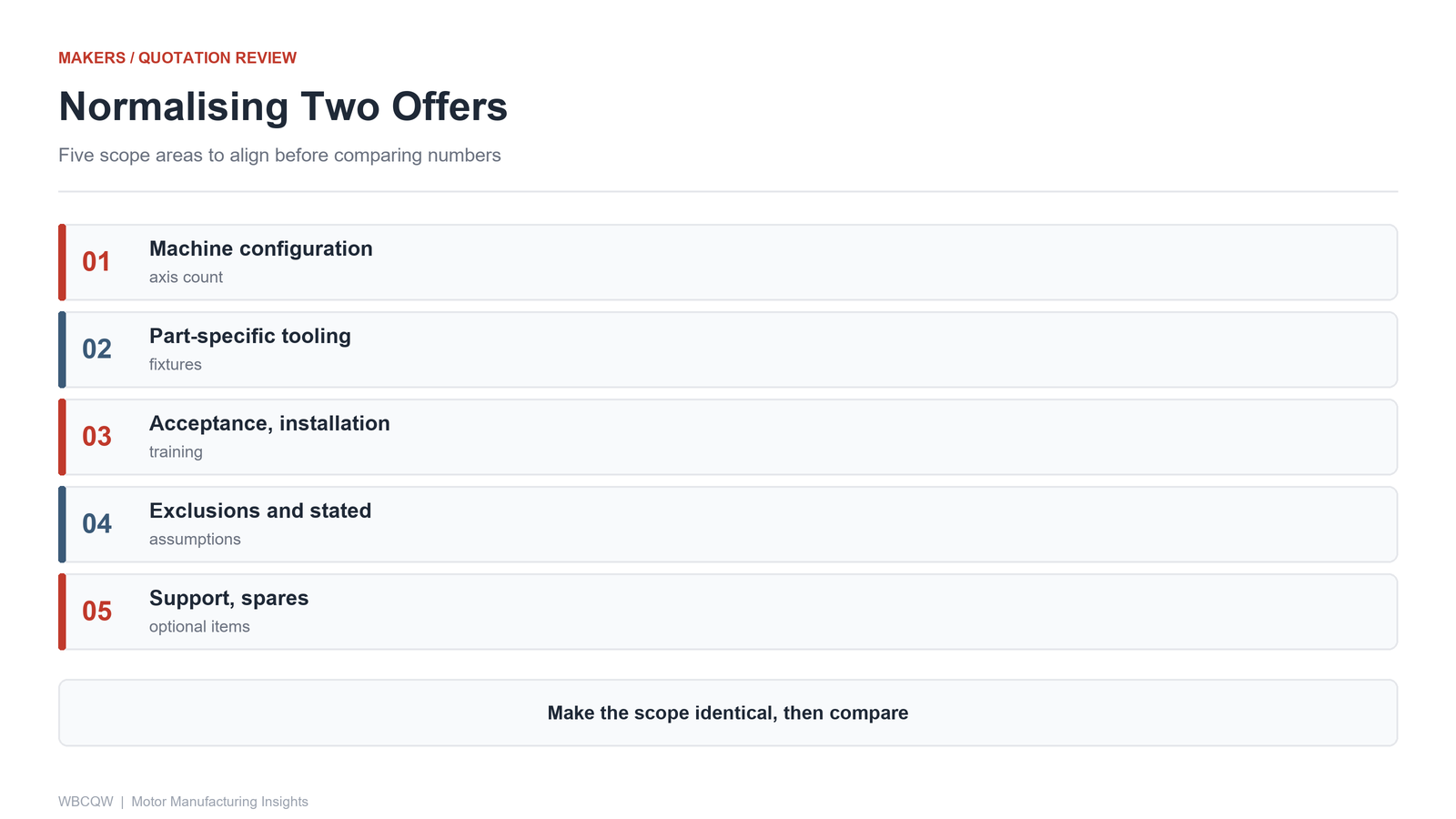
Fig. 2 - Five scope areas to normalise before comparing two offers. Illustrative diagram, not a product photograph.
A normalisation sheet for two quotations
Build a sheet with one row per scope item, a column per offer, and a column for the question that must be answered before comparing the numbers. Fill it from written documents, not a sales conversation, and mark cells where an offer is silent rather than assuming a match. The point is to turn two differently shaped offers into one specification; only then is a price difference real.
The sheet also becomes the acceptance checklist, since each line is something to verify at delivery. Its honest boundary: normalisation aligns documents, not outcomes. Two offers made identical on paper can still differ in how well the machines hold a process on real parts. That evidence comes from a sample run and controlled acceptance, not a spreadsheet. Treat the sheet as the start of that conversation.