Where a first article is inspected changes what the acceptance conversation can prove. Supplier-side inspection is convenient and tied to the machine; in-house inspection is independent and tied to real conditions. Neither is automatically right. Our guide to evaluating stator winding machine accuracy treats capability as a measurement problem. This discussion lays out both positions and stops short of a verdict.
Why this question keeps resurfacing
The first article is when a program, a fixture and a wire lot are accepted together. A supplier-bench result comes next to the machine with the same gauges used to set it up; an in-house result comes after shipping.
Both readings can be correct and still disagree, which is why the argument returns when a program is transferred. A supplier may offer inspection at commissioning, while a customer may require its own acceptance before payment.
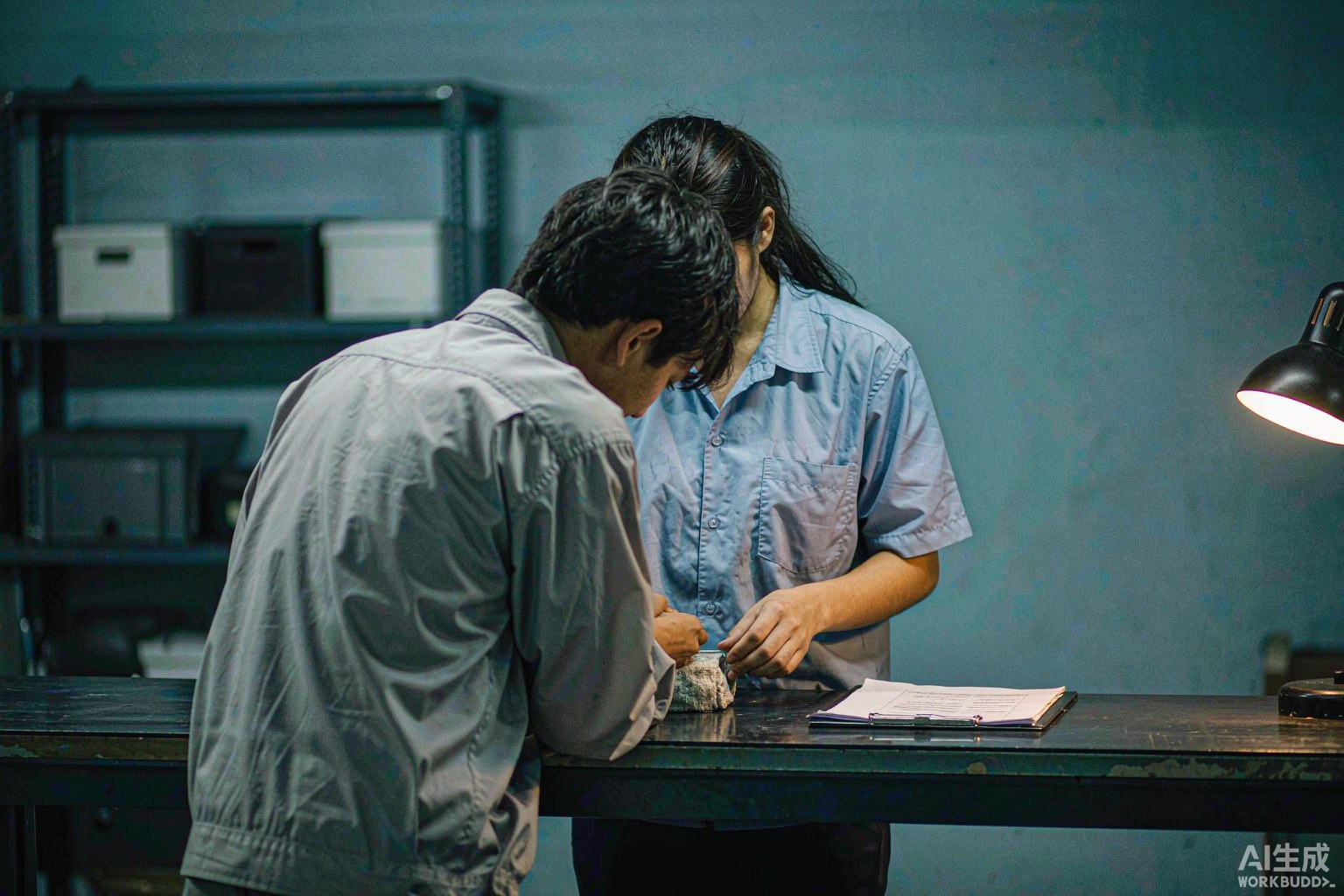
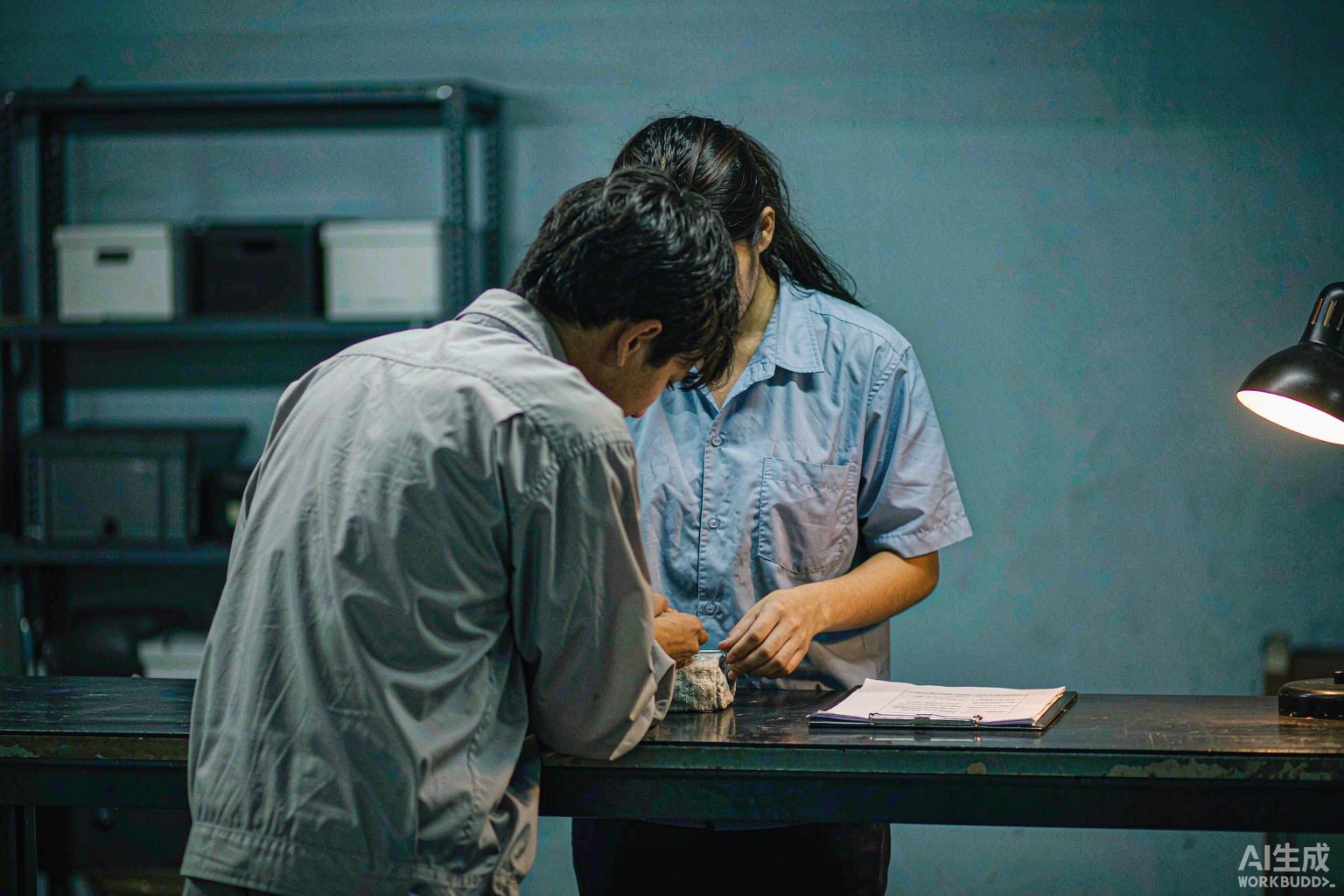
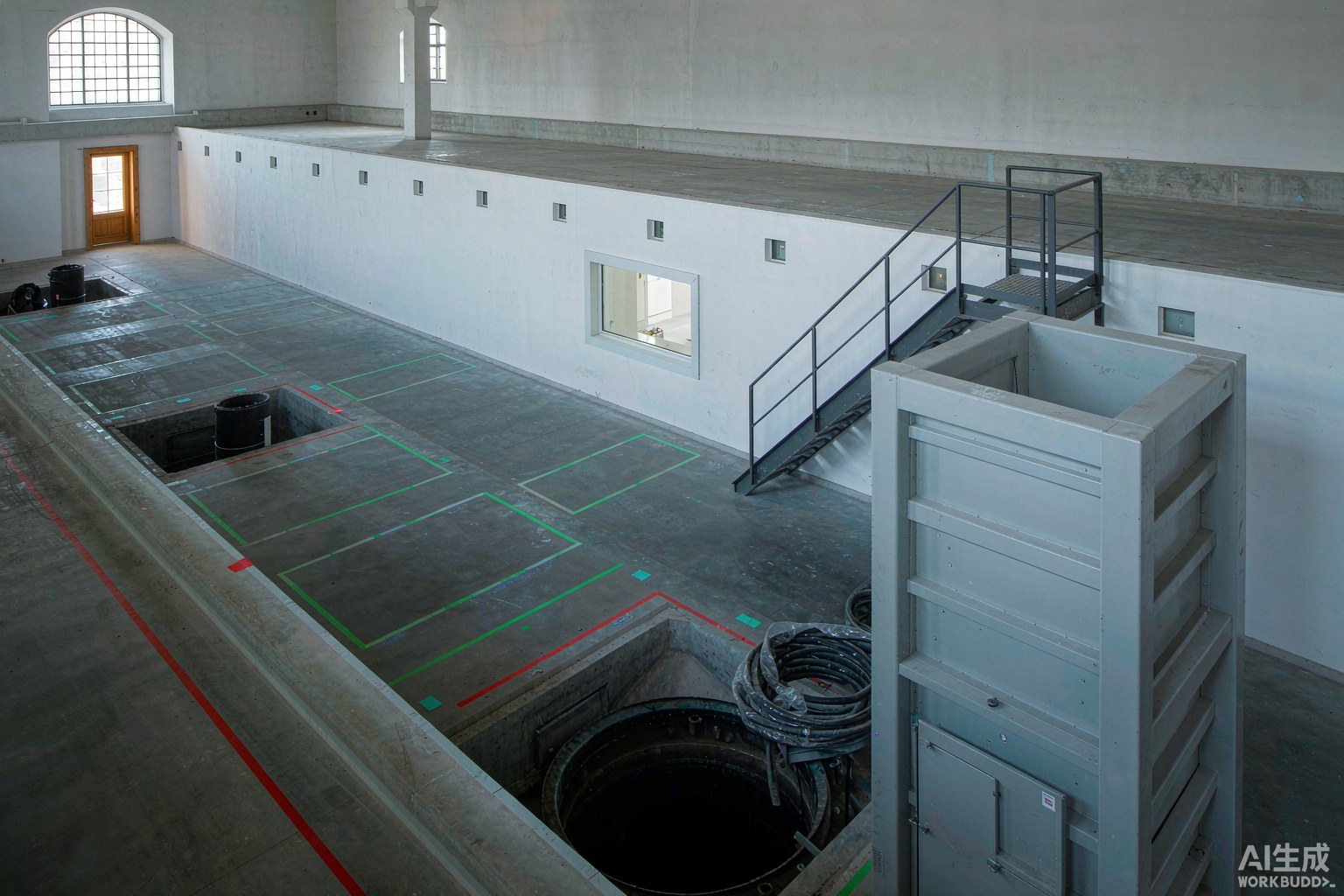
Fig. 1 - Two inspection locations raise different questions about independence and conditions. Illustrative image, AI-generated, not a product photograph.
The case for inspecting at the supplier
Inspecting where the part is wound removes a variable: the article is measured in the same state and with the same fixtures that produced it. The supplier knows the machine best, so an out-of-family result traces quickly to a specific guide.
The assumption is that measurement capability is adequate and the setup reproducible. Where those hold, supplier-side inspection reduces delay. Where they do not, a clean report may describe one carefully tended part rather than the production distribution.
| Question | Supplier-side view | In-house view | What to test |
|---|---|---|---|
| Is the instrument capable | Gauges used to set the machine | Independent calibrated set | Gauge repeatability on a reference part |
| Are conditions representative | Same state as winding | State after shipping and storage | Reading before and after transit |
| Who can explain a result | Machine owner, fast trace | Line owner, full context | Time to root-cause a planted fault |
| What defines normal | Commissioning baseline | Production baseline | Compare both baselines over runs |
| Is the decision independent | Convenience may bias sign-off | Separate from the supplier | Blind re-measure of the same article |
| Does it hold over time | Tied to one setup | Tied to the line | Repeat across lots and shifts |
The case for inspecting in-house
In-house inspection answers a different question: not whether the machine can make a good part, but whether the part that arrives meets your requirements. It measures after the handling the supplier reading excludes.
This position assumes your own measurement capability is at least as good as the supplier. When it is weaker, an in-house result can reject a good part or accept a drifting one.
Questions to take back to your own line
Rather than settle the question in the abstract, test the assumptions on your own parts. Ask whether a single article has been measured at both locations with both gauge sets, and whether the readings agree to a stated tolerance. A maintenance and verification routine is worth checking too, because a drifted gauge invalidates either arrangement.
Ask too what the first article is being asked to prove: a check of one setup, or a baseline for ongoing process control. The question stays open, because the right answer depends on which job the inspection is meant to do.