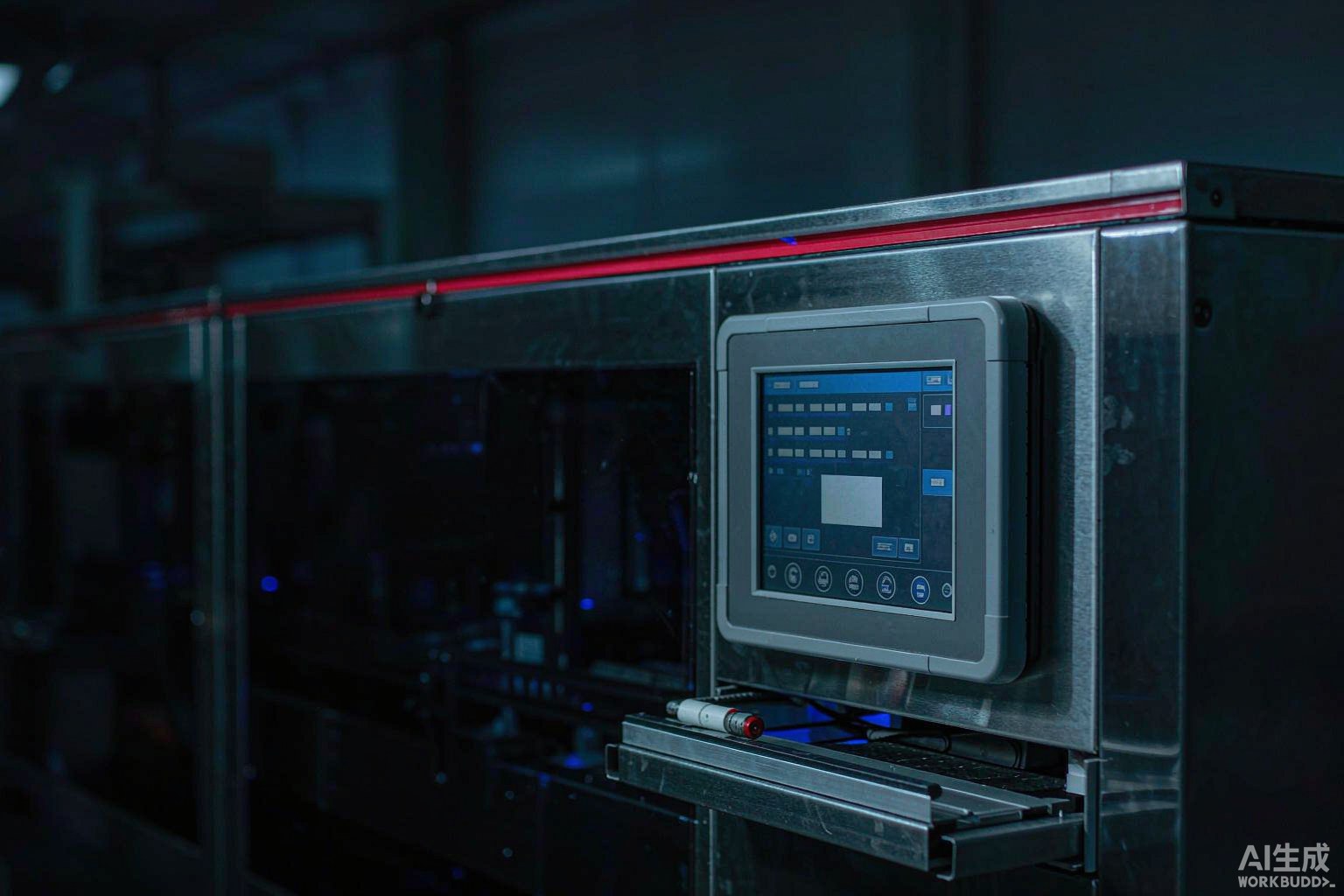
A preventive maintenance log earns its keep only when it records three things per event: the condition found, the action taken and the person who took it. The template below is deliberately generic, so it can be adapted to any winding machine. It sits alongside a broader maintenance and verification routine.
What this log covers and what it does not
The log covers planned inspections, condition findings, adjustments, part replacements and the sign-off. It is a record of what was observed and done, not a work instruction.
It also does not prove a machine holds tolerance. A completed log shows checks were carried out; capability is established by measurement over repeated runs.
The copy-and-use maintenance record fields
Copy the following fields into a single row per event, in this order, so a reviewer can scan down a column. A blank field should mean not recorded yet.
Machine ID and location: which asset the row belongs to.
Date, time and cycle count: when it happened and how far into production.
Inspector and sign-off: who observed and who accepted the entry.
Item checked: tensioner, guides, nozzle, spindle, traverse, guards or cabling.
Condition found: clean, worn, loose, contaminated, noisy or out of adjustment.
Action taken and parts used: cleaned, tightened, realigned, replaced or referred.
Reading and instrument: the value or observation, with the gauge used.
Result and follow-up: open or closed, a due date and a reference to the next entry.
A complete row is self-contained: someone reading it a year later should understand the machine state without asking the writer.
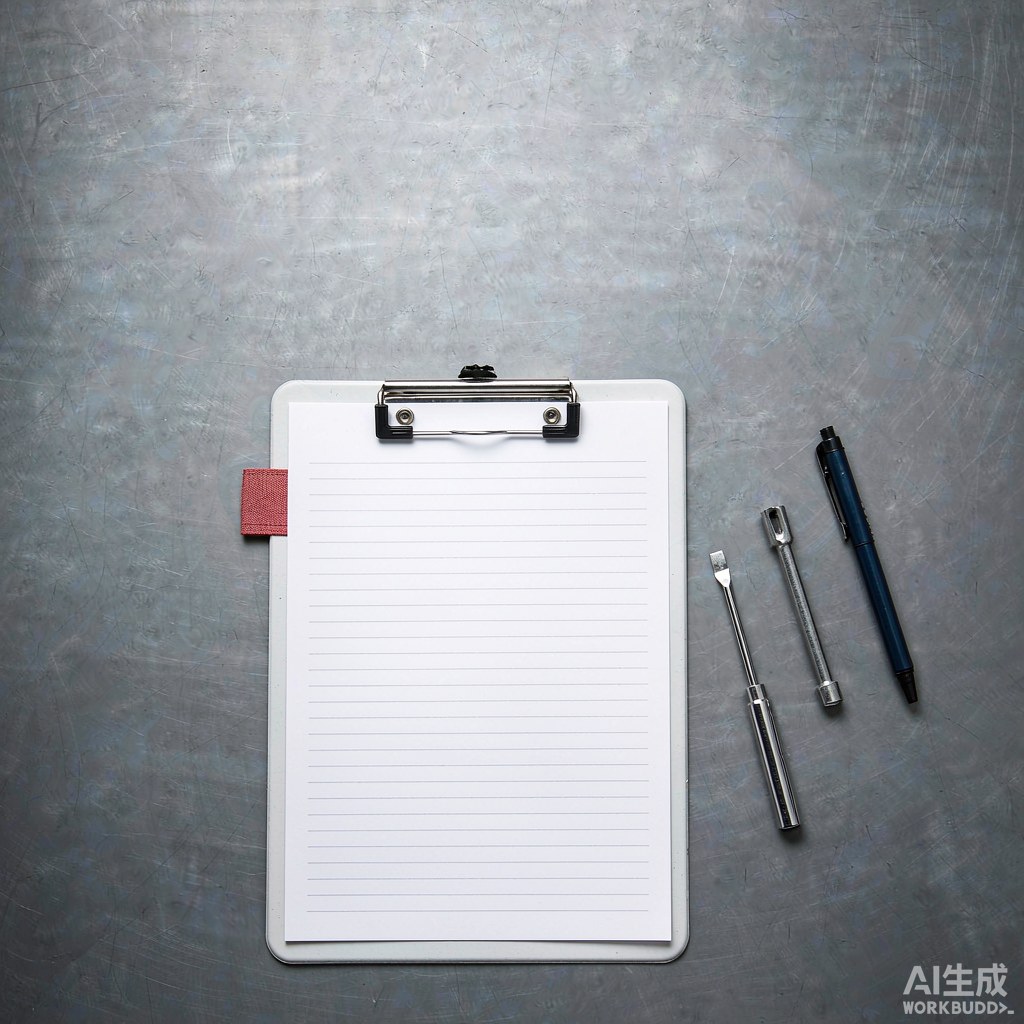
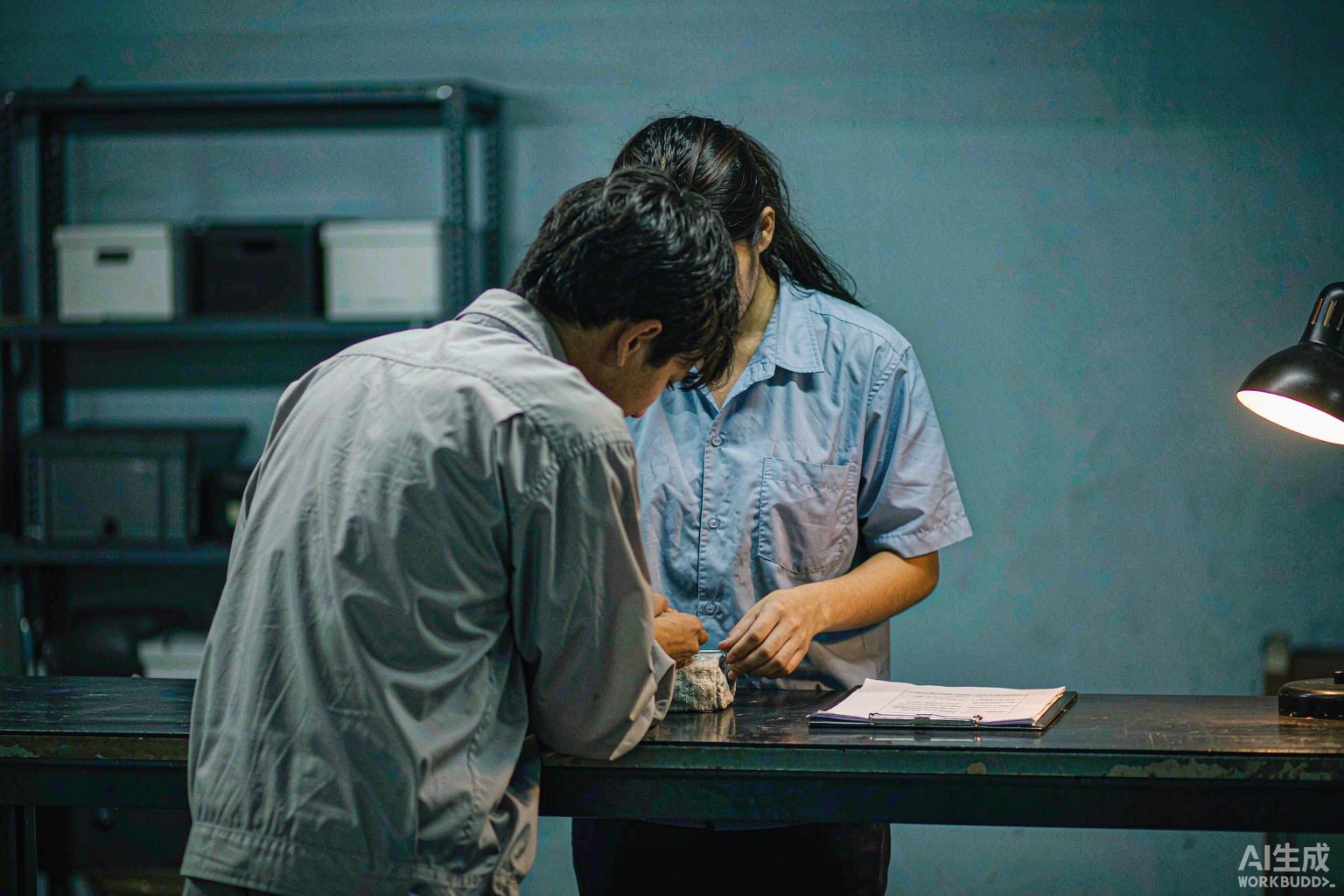
Fig. 1 - A clipboard log turns maintenance from memory into a reviewable record. Illustrative image, AI-generated, not a product photograph.
| Field | What a complete entry looks like | Why it is needed | Review trigger |
|---|---|---|---|
| Machine ID | Asset tag plus line location | Ties the row to one machine | Any entry with no ID |
| Cycle count | Meter reading at the time of check | Links wear to usage | Jump without a recorded run |
| Condition found | Observed state, not a guess | Shows drift before a fault | Repeated worn or loose |
| Action and parts | What was done and with what | Makes the entry reproducible | Frequent same-part replacement |
| Reading and instrument | Value plus the gauge used | Separates change from gauge drift | Unstated instrument |
| Result and follow-up | Open or closed, due date, reference | Keeps open items visible | Overdue or blank sign-off |
Inspection schedule and trigger rules
A schedule should say what is checked and on what trigger, without inventing intervals here. Use plain rules: at the start of a shift, after a program change, and after a wire-break.
Write the trigger that fired into each row, so a reviewer can tell a routine check from one prompted by a fault. An open finding with a due date turns the log into a live list.
How to adapt the template to your line
Start by removing fields nobody will fill in and adding the ones your process depends on. Keep the field order stable so months can be compared.
Keep it easy to use at the machine: a log that takes long to complete will be filled from memory at the end of the week. Each row must record a condition, an action and a person. The same discipline applies as in our guide to process documentation.